Understanding Autism and the Role of Outdoor Play and Therapy
Children with autism spectrum disorder (ASD) experience the world uniquely, and their development benefits from specialized interventions and supportive environments. Among these, outdoor play and applied behavior analysis (ABA) therapy are pivotal in promoting social, emotional, and cognitive growth. This article delves into how outdoor engagement enhances development in autistic children and the ways ABA therapy complements these benefits, offering a comprehensive approach to nurturing their potential.
The Unique Play Preferences of Children with Autism
Distinctive play styles in autism
Children with autism often show distinctive play styles that differ from their neurotypical peers. These styles are characterized by specific ways of interacting with their environment and toys, which can support their social and emotional development. A notable feature in their play is a preference for both imaginative and active play that incorporates various sensory experiences.
Sensory and physical material engagement
Engagement with sensory and physical materials is a hallmark of play behavior among autistic children. They tend to explore outdoor play environments that provide varied sensory inputs, such as natural elements—sand, water, plants, and textured surfaces. These materials satisfy their sensory needs and promote active exploration, often leading to greater involvement and enjoyment during play.
Repetitive behaviors in play
Repetitive behaviors are another characteristic component in the play of children with autism. These movements or actions, although repetitive, play a role in comfort and mastery and are integral to how autistic children make sense of their world. Outdoor play settings that accommodate such behaviors, alongside opportunities for challenge and social interaction, can enhance children's developmental outcomes.
In summary, recognizing and accommodating these distinctive play preferences—inclusive of sensory engagement, repetitive actions, and active exploration—are essential to fostering meaningful outdoor play experiences for children with autism.
Benefits of Outdoor Play for Children with Autism
How Does Outdoor Play Benefit Physical Activity and Health?
Outdoor play provides children with autism numerous physical activity benefits essential for their overall health. Engaging in active play outdoors promotes movement, coordination, and exercise, contributing to better physical fitness. Risky and challenging play opportunities encourage children to push their boundaries safely, supporting motor skills development and enhancing physical well-being. Natural settings with varied landscapes stimulate sensory experiences that are often calming and therapeutic for autistic children.
How Does Outdoor Play Support Social and Emotional Development?
Children with autism frequently engage in imaginative and social play outdoors, which fosters important social interactions and emotional growth. Structured curricula and inclusive playground designs can boost social engagement, providing settings that accommodate their sensory preferences while encouraging peer interaction. These socially rich outdoor environments nurture communication, cooperation, and emotional regulation skills. Furthermore, repetitive sensory and physical play behaviors outdoors contribute positively to self-expression and emotional comfort.
In What Ways Does Outdoor Play Encourage Exploration and Skill Acquisition?
Outdoor play environments with higher play value offer elements of challenge, mastery, and sensory variety, promoting exploration and curiosity in children with autism. Natural components and diverse landscape features afford opportunities to practice risk assessment, problem-solving, and motor skills. These environments make space for repeated interaction with physical materials, enabling autistic children to learn through discovery while developing cognitive and adaptive skills. Through supportive design and parental or educational involvement, outdoor play becomes a platform for acquiring new abilities in a motivating and enjoyable context.
Characteristics of High-Value Outdoor Play Environments for Autistic Children
What is play value in outdoor environments?
Play value refers to how well an outdoor play environment facilitates engagement, enjoyment, and developmental benefits for children. For children with autism, outdoor settings with high play value are those that offer stimulating and meaningful opportunities tailored to their unique play styles and preferences.
Why are challenge and mastery important?
Outdoor play environments that present challenges allow autistic children to practice problem-solving and build confidence through mastery experiences. These settings encourage children to attempt activities that push their abilities incrementally, fostering a sense of achievement and resilience.
How does risky play and sensory variety support autistic children?
Children with autism often prefer play that includes sensory-rich and physically active elements. Risky play, which involves exploring moderate danger or challenge in a safe way, promotes physical activity, risk assessment skills, and social interaction. Sensory variety, such as different textures and movements, engages their sensory seeking behaviors positively and supports emotional regulation.
What role do natural elements and inclusive design play?
Incorporating natural components like varied landscapes, plants, and natural materials enriches the sensory experience and creates calming and stimulating conditions simultaneously. Inclusive design features ensure that playgrounds accommodate diverse sensory and social needs, making them accessible and inviting for autistic children to engage with peers safely and confidently.
These characteristics—challenge and mastery, risk-taking opportunities, sensory variety, natural features, and inclusive design—combine to create outdoor environments that not only support the distinctive play styles of autistic children but also promote their social and emotional development effectively.
How Risky Play Supports Healthy Development in Autism
What is Risky Play?
Risky play involves activities that allow children to take manageable risks, such as climbing, exploring varied terrain, or engaging in challenging physical tasks. For children with autism, this form of play includes opportunities to test abilities and make decisions about safety in a controlled, yet stimulating environment.
How Does Risky Play Benefit Development?
Engaging in risky play promotes several aspects of healthy development in children with autism. Physically, it encourages activity and motor skills by pushing children to master new movements and navigate different challenges. Socially, risky play fosters communication and collaboration as children interact with peers, negotiate roles, and practice problem-solving in shared activities.
These experiences also support emotional growth by helping children assess and manage fear, build confidence, and gain a sense of autonomy. They encourage mastery and learning through trial and error, which are vital in broadening skills and adapting behaviors.
Why Are Natural Settings Important for Risky Play?
Natural environments offer diverse sensory inputs and unpredictable landscapes that enrich risky play experiences. Features like hills, rocks, and varied vegetation provide natural challenges that stimulate exploration and creativity. For children with autism, these environments accommodate unique sensory needs and preferences, helping to reduce overstimulation while promoting engagement.
Additionally, natural settings often invite social interaction and cooperative play, supporting inclusion and social development. Inclusive design elements in these spaces further enhance participation by providing accessible play options that cater to different abilities and preferences.
Together, risky play and natural environments form a powerful combination that nurtures physical health, emotional resilience, and social skills in children with autism.
Enhancing Social Inclusion through Outdoors Play and Interaction
Social Interaction During Outdoor Play
Children with autism actively participate in outdoor play that fosters social interaction, which is crucial for their social inclusion and development. Their distinctive play styles often involve imaginative play, sensory engagement, and repetitive behaviors, all of which can serve as pathways for meaningful social engagement when supported appropriately.
Structured Curricula to Promote Engagement
Incorporating structured outdoor curricula tailored to children with autism has shown positive effects on their participation and social skills. These curricula provide guided opportunities for social interaction, promoting communication and cooperation in natural settings. Interventions like organized play dates and targeted outdoor activities further enhance opportunities for social learning.
Inclusive Playground Design
Playground environments designed with inclusivity in mind—featuring natural elements, varied landscape shapes, and sensory-friendly features—encourage children with autism to engage with peers and embrace challenging and risky play. Such environments not only cater to sensory needs but also offer mastery and social interaction opportunities, fostering a sense of belonging and inclusion.
By combining well-planned curricula and thoughtfully designed play spaces, outdoor play becomes a powerful medium for enhancing social inclusion among children with autism, supporting their overall development and well-being.
Parental and Educational Interventions Supporting Outdoor Play in Autism
Role of Play Dates and Social Opportunities
Play dates offer children with autism structured social interaction in a familiar, comfortable setting. These social opportunities encourage communication and cooperation, helping children practice social skills within a safe space. Parents facilitating regular play dates can significantly enhance their child’s comfort and enjoyment in social play, boosting confidence for broader peer interactions.
Outdoor Learning Curricula
Structured outdoor learning programs tailored for children with autism integrate play with educational goals. These curricula emphasize sensory engagement, social interaction, and physical activity, addressing diverse needs while promoting development. By combining learning objectives with natural play environments, outdoor curricula support cognitive, emotional, and social growth simultaneously.
Specialized Playground Features Facilitating Participation
Inclusive playgrounds designed specifically for children with autism feature natural elements, varied landscapes, and sensory-rich materials. Specialized features may include safe risk-taking zones, quiet sensory nooks, and accessible equipment that encourage mastery and challenge. Such design considerations accommodate sensory sensitivities and encourage social interactions, fostering greater outdoor play participation and developmental benefits.
Together, these parental and educational strategies create supportive outdoor environments that enhance social engagement, play enjoyment, and holistic development in children with autism.
Understanding Applied Behavior Analysis (ABA) Therapy in Autism Treatment
What is Applied Behavior Analysis (ABA) therapy and how is it used in treating autism?
Applied Behavior Analysis (ABA) therapy is a scientifically supported method used to help children with autism learn and develop important life skills. Grounded in the science of learning and behavior, ABA aims to increase helpful behaviors such as communication and social skills while decreasing harmful or impeding behaviors.
ABA therapy involves detailed assessments to create personalized programs tailored to each child's unique skills, needs, and preferences. These programs focus on improving areas including communication, social interaction, self-care, play, motor skills, and academic performance.
Core principles like positive reinforcement
One of the foundational techniques of ABA is positive reinforcement, which encourages desirable behaviors by immediately rewarding them. Understanding the Antecedents-Behavior-Consequences (A-B-C) of actions helps therapists shape behavior by analyzing what triggers a behavior and the outcome of it.
Personalized program design
Qualified Board Certified Behavior Analysts (BCBAs) develop ABA programs based on thorough evaluations of the child. These programs are adjusted regularly and often involve the family to ensure consistent support. Because the interventions are customized, they address the specific challenges and strengths of the child.
Evidence supporting ABA therapy
Multiple studies have shown ABA's effectiveness in improving intellectual functioning, language development, daily living skills, and social functioning. Treatment models such as Early Intensive Behavioral Intervention (EIBI) and Early Start Denver Model (ESDM) are contemporary approaches that demonstrate positive outcomes.
How ABA fits into broader autism intervention
ABA therapy complements other developmental supports and plays a vital role in promoting independence and participation in everyday life. Its scientific basis and adaptable nature make it a widely recommended and respected approach in autism treatment worldwide.
Providers of ABA Therapy: Roles and Expertise
Who typically provides ABA therapy for autism?
ABA therapy is delivered by a team of trained professionals with expertise in applied behavior analysis, primarily including Board Certified Behavior Analysts (BCBAs) and Registered Behavior Technicians (RBTs).
Role of BCBAs and RBTs
BCBAs are highly trained experts who conduct detailed assessments and develop personalized intervention programs tailored to a child’s unique skills, needs, and preferences. They set treatment goals such as improving communication, social skills, play, self-care, and academic abilities. BCBAs supervise therapy delivery to ensure interventions are effective and ethically sound.
RBTs work directly with children under the supervision of BCBAs. They deliver day-to-day therapy sessions using ABA techniques like positive reinforcement and behavior analysis to increase helpful behaviors and reduce those that impede development.
Collaboration with families and other specialists
Family involvement is integral to the success of ABA therapy. BCBAs and therapists work closely with families by providing training and support, empowering caregivers to reinforce learned skills outside therapy sessions. This collaboration extends to other professionals such as speech-language pathologists and occupational therapists, creating a comprehensive, multidisciplinary approach to promote the child’s development.
ABA providers typically offer services in diverse settings, including clinics, schools, and home environments, adapting to what best suits the child and family. This team-based structure helps maximize the benefits of ABA for children with autism, fostering meaningful progress across multiple developmental domains.
Key Benefits of ABA Therapy for Children with Autism
What Are the Main Benefits of ABA Therapy for Individuals with Autism?
Applied Behavior Analysis (ABA) therapy offers a range of substantial benefits for children with autism. One of the most notable improvements is seen in social and communication skills. ABA uses targeted strategies like positive reinforcement to encourage interactions, enabling children to better express themselves and engage with others.
Another major advantage of ABA is its effectiveness in reducing challenging behaviors that may impede learning or social inclusion. By analyzing what triggers behaviors and the consequences that follow, ABA helps children develop more adaptive responses.
In addition to behavior modification, ABA supports the development of vital life skills. It focuses on enhancing self-care, motor skills, academic abilities, and play skills, equipping children for greater independence. These developmental gains contribute to better daily living and educational success.
The therapy's individualized nature is fundamental to its success. Qualified behavior analysts (BCBAs) create personalized programs based on detailed assessments of each child's needs, preferences, and abilities. This customization ensures that goals are meaningful and attainable.
ABA is also recognized as an evidence-based practice, supported by numerous studies and endorsed by authorities like the US Surgeon General and the American Psychological Association. Research consistently shows significant improvements in intellectual functioning, language development, and social functioning among children receiving ABA.
Together, these benefits underline why ABA remains a cornerstone intervention for children with autism, promoting meaningful behavior change and supporting long-term developmental progress.
Measuring Progress During ABA Therapy
How is the progress of a person undergoing ABA therapy measured?
Progress in ABA therapy is carefully measured through systematic data collection methods tailored to each individual's goals. These methods include continuous techniques like tracking the frequency of specific target behaviors, timing how long particular responses last, and using sampling methods to record behaviors occurring within set intervals.
What are data collection methods in ABA?
Data collection in ABA involves observing and recording behaviors in structured ways. This can mean tallying the number of times a child uses a word correctly or timing how long they engage in self-regulation strategies. Discontinuous methods, such as partial interval or momentary time sampling, help therapists gather data when continuous tracking is not feasible.
What role do BCBAs play in data analysis?
Board Certified Behavior Analysts (BCBAs) analyze this collected data regularly to evaluate progress toward personalized treatment goals. They interpret patterns to decide if the current interventions are effective or need adjustment. These professionals collaborate closely with families and other providers to ensure meaningful outcomes.
How are interventions adjusted based on outcomes?
Interventions are dynamically tailored based on the analyzed data. If improvements are slower than expected, BCBAs might modify teaching strategies, reinforce different behaviors, or introduce new techniques. Regular progress reviews ensure that therapy remains focused on enhancing the individual's quality of life.
What are some observable improvements in skills and behavior?
Observable signs of progress include increased communication abilities such as more frequent use of words or signs, improved emotional regulation, better social interactions, and greater independence in daily tasks. These tangible changes demonstrate the effectiveness of ABA programs and guide ongoing treatment planning.
In educational or clinical settings, specialists routinely monitor data and adapt techniques to promote real-world success. This structured approach ensures that children with autism receive personalized support that addresses their specific strengths and challenges.
Addressing Criticisms and Limitations of ABA Therapy
Are there any criticisms or limitations associated with ABA therapy for autism?
ABA therapy has faced historical criticisms, particularly regarding its intensive treatment intensity and use of aversive techniques. In earlier practices, some interventions included stressful methods aimed at reducing undesirable behaviors, which led to concerns about the potential emotional discomfort or harm to individuals undergoing treatment. Critics also highlight that ABA's traditional focus on increasing compliance might conflict with respecting the personal autonomy of autistic individuals. There are worries that this approach could suppress natural behaviors important to a person's neurodiversity.
Modern ABA has evolved significantly to address these concerns. Current practices emphasize ethical, play-based, and individualized strategies that align with a child's interests, needs, and preferences. Positive reinforcement is a cornerstone of these approaches, and aversive methods are now largely abandoned. Therapists prioritize meaningful skill development to support communication, social participation, and daily living without imposing restrictive or harmful procedures.
Despite ongoing debates about the long-term psychological impact of ABA, research supports its effectiveness when applied ethically and with respect for the individual. There is a growing focus on balancing behavior change with honoring autonomy and neurodiversity. Moreover, ABA practices continue to adapt and refine in response to feedback from families, professionals, and autistic individuals themselves.
In summary, while historical limitations of ABA have influenced current critiques, contemporary ABA therapy represents a more humane and nuanced approach. It offers valuable support but also requires continual reflection and ethical vigilance to ensure it respects the dignity and individuality of every person it serves.
Biological and Ecological Theories Informing Play and Therapy Design
What is the Bioecological Theory, and How Does it Relate to Autism and Play?
Bioecological theory emphasizes the importance of multiple environmental layers influencing a child's development. For children with autism, this approach highlights how interactions between the child and diverse contexts—family, educational settings, and outdoor environments—affect their growth. Understanding this theory helps design play spaces and interventions that support the child's evolving needs by considering not only immediate surroundings but also broader social and cultural systems.
How Does Affordance Theory Explain Children's Interaction with Outdoor Environments?
Affordance theory focuses on the opportunities for action that environments provide to individuals based on their abilities and characteristics. In the context of children with autism, outdoor play environments designed with natural elements, varied landscapes, and sensory stimuli offer diverse affordances. These include challenges, mastery opportunities, and social interaction possibilities that children can perceive and choose to engage with, which supports their unique play styles and developmental needs.
How Do These Theories Guide Supportive Play Spaces and Interventions?
By integrating bioecological and affordance theories, designers and therapists create outdoor environments and play curricula that accommodate sensory sensitivities, social interaction preferences, and the desire for challenge and risky play. Interventions such as structured outdoor programs and inclusive playground designs are informed by these models to enhance children's social inclusion and developmental progress. This approach ensures that both the environment and interventions work synergistically to support the holistic development of children with autism.
Integrating ABA Therapy with Outdoor Play for Holistic Development
Complementary roles of therapy and play
Applied Behavior Analysis (ABA) therapy and outdoor play each serve crucial but distinct roles in supporting children with autism. ABA focuses on systematic behavior modification, aiming to increase helpful behaviors and reduce harmful ones through techniques like positive reinforcement and understanding behavior antecedents and consequences. Outdoor play, particularly in rich, natural environments that offer sensory variety and opportunities for challenge and risky play, nurtures social, emotional, and motor development. When combined, therapy and play provide a comprehensive approach that addresses both structured skill-building and spontaneous exploration.
Incorporating ABA principles in play-based settings
Integrating ABA into outdoor play involves designing activities that encourage mastery and measurable progress while still allowing for the natural sensory engagement and social interactions that autistic children enjoy. For example, behavior analysts can set personalized goals that are practiced within outdoor play — such as requesting turns, engaging in imaginative play, or trying new physical movements — and use positive reinforcement to motivate children. Play environments rich in natural elements and designed for inclusiveness complement ABA’s personalized programs, supporting children’s growth through both guided learning and experiential play.
Supporting social, communication, and motor skills
Outdoor play encourages social engagement and peer interaction, which complements ABA’s goals of improving communication and social functioning. Structured outdoor curricula and inclusive playgrounds facilitate these interactions, promoting social inclusion and emotional development. Meanwhile, ABA techniques help generalize skills from therapy to outdoor contexts. Physical activity in varied outdoor landscapes supports motor skill development, another focus area of ABA programs. The combination of ABA therapy with thoughtfully designed outdoor play offers a balanced environment for children with autism to develop holistically across communication, socialization, and physical domains.
Natural Elements and Sensory-Friendly Outdoor Play Spaces
Why Include Natural Components Like Plants, Trees, and Water Features?
Natural elements such as plants, trees, and water features create engaging environments for children with autism. These elements provide varied sensory inputs that many autistic children enjoy and seek out during play. They offer visual, auditory, and tactile stimulation that can help meet sensory processing needs. For example, gentle rustling leaves and flowing water can have calming effects, while the textures of bark or leaves invite physical exploration.
How Do Varied Landscapes and Textures Support Play?
Outdoor play spaces designed with diverse landscapes—including hills, uneven surfaces, and varied ground textures like sand, grass, or bark mulch—offer opportunities for physical challenge and mastery. Such variations promote active and risky play, which are favored play types among children with autism. These features also enhance motor skills and encourage children to explore and interact with their environment on their own terms.
What Are the Benefits for Sensory Needs and Calming Effects?
Incorporating natural elements and varied sensory inputs helps create a sensory-friendly environment that can soothe overstimulation often experienced by autistic children. These spaces reduce anxiety, support emotional regulation, and create inviting settings for social interaction. The calming nature of natural outdoor environments supports children’s social and emotional development while facilitating inclusive play opportunities.
Natural and sensory-rich outdoor play spaces not only align with autistic children's play preferences but also provide essential supports for their development and well-being.
The Role of Repetitive and Sensory Play in Outdoor Settings
Acceptance of repetitive behaviors in autism
Children with autism often display distinctive play styles characterized by repetitive behaviors. These behaviors are not mere routines but play an important role in their exploration and understanding of the world around them. Outdoor environments that welcome these repetitive actions provide a supportive space where autistic children feel comfortable engaging in familiar activities, helping them to build confidence and engagement.
Using outdoor materials to support sensory engagement
Outdoor play settings enriched with natural elements and varied sensory materials greatly enhance the play experience for children with autism. Features such as textured surfaces, water, soil, plants, and diverse landscape shapes invite tactile, visual, and auditory stimulation. This multisensory engagement supports their sensory needs and promotes active participation. By exploring these materials, children gain mastery and enjoyment, fostering their overall development.
Facilitating self-regulation through play
Engagement in outdoor repetitive and sensory play also aids self-regulation among children with autism. The rhythmic and predictable nature of certain play behaviors helps manage anxiety and provide a calming effect. Access to natural, inclusive play spaces that accommodate these behaviors enables children to practice and improve their emotional control. This self-regulation is crucial for their social and emotional growth and enhances their readiness for social interaction and learning.
Overall, embracing repetitive and sensory play within thoughtfully designed outdoor environments not only respects the unique preferences of autistic children but also actively supports their developmental needs.
Social Play Among Autistic Children Outdoors: Challenges and Strategies
What are the barriers to social interaction for autistic children during outdoor play?
Autistic children often face unique challenges in social interaction during outdoor play due to their distinctive play styles and sensory preferences. Sensory sensitivities can make crowded or noisy playgrounds overwhelming, while their preference for repetitive behaviors might limit spontaneous social engagement. Additionally, the lack of structured opportunities for social interaction in many outdoor environments can create barriers to meaningful peer connections.
How can structured activities and peer support enhance social play?
Implementing structured outdoor curricula and organized activities helps create predictable and supportive settings where autistic children can engage socially. These activities provide clear expectations and facilitate peer interaction, reducing anxiety and encouraging participation. Peer support, such as play dates or guided small group play, further promotes social inclusion by fostering friendships and cooperative play skills in a comfortable environment.
What strategies encourage cooperative and imaginative play among autistic children outdoors?
Outdoor play environments designed with natural elements and varied landscapes accommodate sensory needs while stimulating imaginative play. Incorporating elements that invite challenge and mastery encourages children to collaborate, negotiate roles, and engage in cooperative play. Providing sensory-rich materials and opportunities for risky play also supports creative exploration and social bonding among peers.
By combining thoughtful design, structured programming, and peer support, outdoor settings become inclusive spaces that nurture social development and enjoyment for autistic children.
Designing Inclusive Playgrounds Tailored to Autism
Features that promote engagement and safety
Inclusive playgrounds designed for children with autism incorporate natural elements and varied landscape shapes to meet sensory needs. These features create a calming atmosphere and provide sensory input that can help reduce anxiety and enhance focus. Safety is enhanced by carefully considering risk while allowing opportunities for adventurous play, striking a balance between protection and exploration.
Providing challenges for mastery
Play environments that offer challenges encourage children with autism to develop mastery and confidence. Elements that support risky play—such as climbing structures or uneven terrain—allow children to assess and take calculated risks, fostering physical activity and problem-solving skills. Challenge-driven play supports emotional growth by promoting perseverance and accomplishment.
Encouraging social interaction and inclusion
Designs that facilitate social interaction are essential for promoting inclusion among children with autism. Playgrounds with spaces for group activities or cooperative play encourage peer engagement. Additionally, structured outdoor curricula and familiar routines within these environments help scaffold social skills and emotional development, increasing opportunities for meaningful social connection.
Overall, playgrounds that blend sensory-friendly features, healthy risks, and socially supportive elements create optimal settings for autistic children to play, learn, and grow inclusively.
Parental Roles in Facilitating Outdoor Play and Social Skill Building
Organizing play dates
Parents play a crucial role in fostering their child's social skills by arranging play dates that encourage interaction with peers. For children with autism, these structured social opportunities help them practice communication and cooperative play in a supportive environment. Consistent play dates can nurture friendships while reducing social anxiety.
Encouraging exploratory and risky play
Parents are instrumental in promoting outdoor play that includes elements of challenge and risk, which are beneficial for development. By allowing children to engage with natural environments and physical activities that involve calculated risk, parents help their child build physical confidence, risk assessment abilities, and motor skills. This kind of play also appeals to sensory preferences that many autistic children enjoy.
Supporting transition from structured to free play
Guiding children through transitions from adult-led outdoor activities to more spontaneous, child-directed play helps build independence and creativity. Parents can scaffold this transition by initially participating in play, modeling social behaviors, and then gradually stepping back to allow the child to explore and negotiate social interactions independently. This gradual support bolsters self-regulation and social competence over time.
Educational Curricula Emphasizing Outdoor Learning for Autism
Incorporating Nature-Based Activities
Educational curricula designed for children with autism often emphasize the integration of nature-based activities to meet sensory and developmental needs. Outdoor play environments that include natural elements such as varied landscapes and sensory-rich materials not only cater to the unique preferences of autistic children but also promote engagement through challenging and exploratory play. These natural components support physical activity, risk assessment, and imaginative play, all of which are crucial for holistic development.
Structured Outdoor Lessons to Build Skills
Structured outdoor learning sessions are implemented as part of educational programs to foster specific skills in children with autism. These lessons focus on social interaction, communication, motor skills, and emotional regulation within an outdoor context. By providing planned activities that encourage mastery and the safe exploration of risk, these curricula help children build confidence and competence. The use of outdoor risky play strategies aligns with current research supporting its benefits in promoting healthy development and social skill enhancement.
Collaboration Between Therapists and Educators
Successful outdoor learning curricula for autistic children often involve close collaboration between therapists, such as those trained in Applied Behavior Analysis (ABA), and educators. This teamwork ensures that outdoor activities are personalized to the child’s individual needs and goals, incorporating behavioral strategies like positive reinforcement and clear antecedent-consequence structures. Family involvement is also encouraged to extend learning beyond school settings. Such interdisciplinary cooperation maximizes the therapeutic and educational potential of outdoor environments, enhancing social inclusion and developmental outcomes.
Insurance and Access: Navigating ABA Therapy Services
Insurance Coverage Variation for ABA Therapy
Access to Applied Behavior Analysis (ABA) therapy is influenced significantly by insurance coverage, which can vary widely. Many private insurance plans and Medicaid programs offer coverage for ABA services when the treatment is medically necessary. However, these benefits depend on the individual's insurance policy, geographic location, and state mandates. Understanding the specifics of one's insurance plan is crucial to ensure eligibility and to know the extent of coverage available for ABA interventions.
Steps to Access ABA Therapy
Navigating the process to obtain ABA therapy involves several key steps:
- Consult with Healthcare Providers: Begin by discussing concerns and potential need for ABA therapy with a pediatrician, neurologist, or developmental specialist who can advise or provide a referral.
- Verify Insurance Coverage: Contact your insurance company to confirm that ABA therapy is included, inquire about any prior authorization requirements, copayments, and treatment limits.
- Find Reputable Providers: Search for licensed and credentialed professionals such as Board Certified Behavior Analysts (BCBAs) or Registered Behavior Technicians (RBTs). Reviews, recommendations, and credentials should be carefully evaluated.
- Inquire About Service Details: Ask providers about treatment approaches, personalization of programs, experience with autism spectrum disorder, and how treatment goals are established and monitored.
Importance of Reputable Providers
Selecting qualified and reputable ABA providers is essential for achieving effective and individualized care. Licensed professionals ensure that treatment is tailored to the child's unique needs, with goals targeting communication, social skills, and daily living abilities. Engaging with experienced therapists and teams supported by evidence-based practices and ongoing assessments promotes the best possible outcomes for children with autism.
By understanding insurance coverage nuances and following a structured approach to identify and work with proficient providers, families can better secure meaningful ABA therapy access for their children.
Early Intensive Behavioral Intervention (EIBI) and Outdoor Play Opportunities
What are the principles of Early Intensive Behavioral Intervention (EIBI)?
EIBI is a specialized model of Applied Behavior Analysis (ABA) designed primarily for young children with autism. It uses principles of learning theory, such as operant conditioning, to increase adaptive behaviors and reduce impeding ones. This intensive approach targets key developmental areas including communication, social skills, play, motor abilities, and self-care through personalized programs crafted by certified behavior analysts.
How do outdoor environments contribute to EIBI goals?
Outdoor play settings enrich EIBI by offering natural, sensory-rich environments that align with many children’s play preferences and needs. Spaces with varied landscapes, natural materials, and opportunities for challenging and risky play promote engagement and mastery. These features accommodate sensory sensitivities common in autism and foster exploration, physical activity, and social interaction—all critical factors supporting behavioral goals in EIBI.
How can outdoor play enhance developmental gains in children undergoing EIBI?
Integrating outdoor play into EIBI can amplify therapeutic outcomes by:
- Encouraging social skills through inclusive play designs and peer interaction opportunities.
- Supporting sensory development via natural elements that provide varied tactile, auditory, and visual inputs.
- Promoting risk assessment and problem-solving in safe yet challenging play scenarios.
- Facilitating language use and communication in dynamic, real-world settings.
Combining structured outdoor curricula with EIBI allows therapists to address developmental objectives in engaging, contextually rich environments, helping children generalize skills beyond clinical settings.
| Aspect | Description | Impact on EIBI Outcomes |
|---|---|---|
| Play Variety | Active, imaginative, and social play | Enhances motivation and participation |
| Sensory Accommodations | Natural elements and varied landscape shapes | Supports sensory integration, reducing overwhelm |
| Risky and Challenging Play | Opportunities to climb, explore, and try new activities | Builds confidence and decision-making skills |
| Social Interaction | Spaces designed for group interaction | Improves communication and peer engagement |
Incorporating outdoor play within EIBI frameworks offers a holistic path to improving skill development among children with autism by blending evidence-based behavioral strategies with supportive, enriching environments.
Emerging ABA Treatment Models Supporting Naturalistic Play
What is the Early Start Denver Model (ESDM) focus?
The Early Start Denver Model (ESDM) is a contemporary applied behavior analysis (ABA) treatment designed for young children with autism spectrum disorder (ASD). ESDM emphasizes learning through naturalistic and developmentally appropriate interactions, integrating ABA principles within play and daily routines. Unlike more structured ABA programs, ESDM focuses on early intervention by promoting communication, social skills, and cognitive development in engaging, child-led activities.
How does learning in natural environments support ABA goals?
Learning in natural environments allows children to acquire new skills in everyday settings, making the learning process more meaningful and functional. The naturalistic approach encourages spontaneous play, social interaction, and exploration, aligning with ABA's goal of increasing helpful behaviors through positive reinforcement. By situating learning within routine outdoor play, children can benefit from multisensory experiences, varied landscapes, and social contexts, which help generalize skills beyond the clinical setting.
What are the synergies between ABA models like ESDM and outdoor play opportunities?
Outdoor play environments with natural elements and varied challenges complement ABA treatment methods by providing rich affordances for engagement and skill development. Children with autism often prefer play that includes physical, sensory, and social components—features abundant in well-designed outdoor spaces. ESDM’s emphasis on social communication and play aligns well with outdoor settings that encourage risky and imaginative play, promoting physical activity and social inclusion.
Furthermore, combining ESDM with outdoor play supports children's sensory needs and preferences, helping reduce repetitive behaviors while fostering mastery and confidence. Interventions that incorporate outdoor curricula and inclusive playground design facilitate meaningful social interactions and emotional growth, enhancing ABA treatment outcomes in real-world contexts.
Overall, the integration of naturalistic ABA models like ESDM with thoughtfully designed outdoor play experiences offers promising pathways for supporting the holistic development of children with autism.
Measuring Long-term Outcomes of ABA and Outdoor Play Integration
Challenges in long-term assessment
Evaluating the long-term outcomes of combining Applied Behavior Analysis (ABA) therapy with outdoor play for children with autism presents several challenges. Many existing studies rely on small sample sizes and single-case designs, limiting the generalizability of their findings. Furthermore, only a small fraction of research explicitly compares ABA interventions with other therapies or control groups over extended periods. This scarcity of long-term, rigorous comparative studies makes it difficult to fully understand sustained benefits or potential drawbacks of integrating outdoor play with ABA programs.
Need for quality of life metrics
Current research predominantly focuses on measuring gains in cognitive, language, and social skills after ABA therapy, yet there is a notable lack of studies examining quality of life (QoL) outcomes following treatment. Considering that outdoor play environments contribute positively to social inclusion, sensory regulation, and emotional development for children with autism, integrating QoL assessments could provide a more holistic understanding of intervention effects. Incorporating QoL measures would shed light on how ABA combined with enriched outdoor play impacts everyday well-being, satisfaction, and participation beyond clinical skills.
Cost-effectiveness considerations
Assessing the cost-effectiveness of ABA therapy alongside outdoor play interventions remains an unexplored area within autism research. Insurance coverage for ABA varies widely, while outdoor play programs and inclusive playground designs involve additional expenditure. Evaluations incorporating both financial costs and therapeutic benefits over the long term are necessary to guide policymakers and providers. Such analyses can inform sustainable implementation strategies and ensure resources maximize benefits related to physical activity, social engagement, and behavioral improvements in autistic children.
Scientific Evidence Supporting ABA and Outdoor Play Benefits

What Does Research Say About ABA Therapy and Outdoor Play Outcomes?
Scientific studies consistently report positive effects of Applied Behavior Analysis (ABA) on children with autism spectrum disorder (ASD). ABA programs, including well-known models like Early Intensive Behavioral Intervention (EIBI) and the Early Start Denver Model (ESDM), have demonstrated improvements primarily in cognitive abilities, language skills, social communication, and reduction in problem behaviors. Landmark research revealed that nearly half of children receiving early ABA intervention attained normal intellectual and educational functioning.
Similarly, outdoor play—especially environments offering challenges and opportunities for risky and sensory-enriched experiences—supports autistic children's physical health, social skills, and emotional growth. Outdoor play with natural elements and inclusive design promotes engagement, mastery, social interaction, and sensory accommodation, which are all crucial for their development.
What Are the Current Evidence-Based Recommendations?
Authorities such as the US Surgeon General and American Psychological Association endorse ABA as an evidence-based practice for treating autism. Parenting, educational interventions, and inclusive playground designs complement ABA by fostering meaningful outdoor play participation and facilitating social inclusion for autistic children. The integration of behavioral therapy and stimulating outdoor environments is recommended to address multiple developmental goals.
Which Areas Require Further Investigation?
Despite numerous positive findings, gaps remain in the evidence base. Few large-scale randomized controlled trials (RCTs) directly compare ABA with other interventions, and quality of life measures after treatment are rarely assessed. Research on the long-term effects, cost-effectiveness, and optimal combinations of ABA and outdoor play interventions is limited. Experts call for more prospective, well-controlled studies that include harmonized outcome measures to optimize care strategies.
| Topic | Highlights | Implications |
|---|---|---|
| ABA Therapy Outcomes | Improvements in cognition, language, social skills, behavior | Supports widespread clinical use, personalized programming |
| Outdoor Play Benefits | Enhances physical activity, sensory accommodation, social interaction | Emphasizes need for inclusive, naturalistic play spaces |
| Research Gaps | Few RCTs, lack of quality of life data, limited cost analyses | Guides future research priorities for comprehensive evaluation |
| Recommendations | Combine ABA with outdoor interventions; adopt evidence-based guidelines | Encourages multidisciplinary approaches and policy support |
The Importance of Personalized Goals in ABA and Play Interventions
Assessment driven programming
ABA therapy relies on detailed assessments conducted by qualified behavior analysts (BCBAs) to understand each child's unique skills, needs, and preferences. These assessments guide the development of individualized treatment goals, ensuring interventions address areas like communication, social skills, and play abilities effectively.
Involving family in goal setting
Family involvement is crucial in setting meaningful, achievable goals. By engaging parents and caregivers, ABA programs become more tailored to real-life contexts and daily routines, enhancing consistency and reinforcing positive behaviors beyond therapy sessions.
Tailoring to individual preferences and strengths
Children with autism exhibit distinctive play styles and preferences, including sensory interests and repetitive behaviors. Integrating these unique traits into both ABA and outdoor play interventions fosters engagement and supports social and emotional growth. For instance, outdoor play environments designed with natural elements and opportunities for challenge and social interaction align with individual sensory needs and promote meaningful play experiences.
This personalized approach bridges therapeutic techniques and natural settings, creating a supportive framework that encourages development and inclusion for children with autism.
Collaborative Approaches Between Therapists, Educators, and Families
Coordinating Care
Successful intervention for children with autism relies heavily on effective coordination among therapists, educators, and families. Applied Behavior Analysis (ABA) therapy programs are personalized and designed by qualified behavior analysts (BCBAs) who collaborate closely with all stakeholders. This teamwork ensures that treatment goals align with the child's skills, needs, and preferences. Regular communication allows each party to share progress updates, behavioral observations, and adapt strategies for consistency.
Consistent Strategies Across Environments
To maximize the benefits of therapy, using consistent strategies in various environments — home, school, and outdoor settings — is critical. ABA focuses on reinforcing helpful behaviors by understanding antecedents and consequences, which caregivers and educators apply uniformly. When children engage in outdoor play or classroom activities, employing familiar approaches helps reduce confusion and promotes learning. Incorporating structured outdoor curricula and inclusive playground designs further supports skill application beyond clinical settings.
Supporting Generalization of Skills
One major challenge for children with autism is generalizing learned skills to different contexts. Collaborative approaches support generalization by creating shared intervention plans that encourage practice in natural environments such as playgrounds and social groups. Outdoor play with sensory-rich and challenging elements offers unique opportunities for children to apply communication, social interaction, and problem-solving skills in real-world scenarios. Families and educators facilitate this by reinforcing positive behaviors and offering guided opportunities for risky and imaginative play, which foster development.
By fostering strong partnerships among therapists, educators, and families, individualized intervention programs become more effective, ensuring children with autism achieve positive outcomes across multiple domains.
Utilizing Technology to Enhance Outdoor Play and ABA Outcomes
How Can Assistive Devices Support Outdoor Play for Children with Autism?
Assistive devices play a crucial role in making outdoor play more accessible and enjoyable for children with autism. These devices can include sensory tools, such as noise-cancelling headphones to reduce auditory overload or weighted vests to provide calming proprioceptive input. Such equipment allows children to engage more comfortably in various outdoor activities, including active and imaginative play, while accommodating their sensory preferences.
What Role Do Data Collection Tools Have in Monitoring ABA Therapy and Outdoor Activities?
Technology-driven data collection tools help behavior analysts and caregivers track progress in ABA therapy and outdoor play engagement. Mobile apps and wearable devices can record behaviors, repetitions, and social interactions during outdoor activities. This real-time data allows for precise monitoring of therapy goals like communication improvements and social skill development. Moreover, it aids in customizing interventions based on the child’s unique responses to the outdoor environment.
How Do Interactive Play Supports Enhance Social and Sensory Engagement?
Interactive technology, such as augmented reality (AR) games and smart toys, provides enriching play experiences that encourage social interaction and sensory exploration. These tools promote challenging and risky play in safe, controlled ways by integrating natural elements and opportunities for mastery. They can facilitate group play and communication among peers, supporting inclusion and emotional growth.
In essence, integrating technology with outdoor play aligns with theoretical models like the bioecological theory by enhancing the interplay between the child and their environment. It also complements ABA programs by offering personalized, data-driven support to optimize developmental outcomes in children with autism.
Incorporating Motor Skills Development through Outdoor Activities
How does outdoor play enhance gross and fine motor skills in children with autism?
Outdoor play offers children with autism diverse opportunities to practice and improve both gross and fine motor skills. Activities like climbing, running, balancing, and manipulating natural materials engage large muscle groups (gross motor) as well as hand-eye coordination and dexterity (fine motor).
Natural play environments that include varied landscape shapes and textured surfaces challenge children to adapt movements, improving balance and coordination. Repetitive physical play, common among autistic children, further supports muscle control and task mastery, benefiting physical development.
What role do variable terrain and play equipment play in motor skill development?
Variable terrain such as hills, uneven ground, and natural obstacles provides dynamic physical challenges that encourage risk assessment and motor planning. Play equipment designed with inclusive features promotes safe engagement in climbing, swinging, and balancing, all vital for strengthening motor skills.
Children with autism are drawn to play settings that offer mastery and challenge, making natural and thoughtfully designed equipment essential. These elements support sensory needs and provide motivating contexts for practicing motor movements.
How does outdoor motor skill practice synergize with ABA motor skill goals?
Applied Behavior Analysis (ABA) therapy often encompasses motor skill objectives, aiming to improve coordination, self-care abilities, and daily living skills. Outdoor play environments serve as practical settings to generalize these skills naturally.
The personalized ABA programs target motor skills alongside communication and social functioning. By integrating ABA strategies such as positive reinforcement with outdoor play, children can be encouraged to try new movements and refine motor behaviors in motivating, real-world contexts.
Through structured outdoor curricula and inclusive playground design, motor development is supported holistically, creating synergy between therapeutic goals and natural play experiences.
The Role of Peer Modeling and Interaction in Outdoor Play for Autism
How Does Peer Influence Affect Behavior and Skills in Children with Autism?
Peer modeling plays a crucial role in the outdoor play experiences of children with autism. Exposure to peers engaging in varied play activities encourages children with autism to imitate behaviors, which can support their social, communication, and motor skills development. Interaction during play provides natural opportunities to observe and learn social cues, build cooperative play, and enhance emotional understanding.
What Are Structured Peer Play Sessions and Their Benefits?
Structured peer play sessions involve organized outdoor activities designed to engage children with autism alongside their typically developing peers. These sessions focus on encouraging turn-taking, sharing, and guided social interaction. By having a predictable structure, these activities reduce anxiety for children with autism and provide a safe space to practice social skills and develop friendships. Research shows that such structured sessions increase participation and motivation in outdoor play.
How Can Inclusion and Communication Be Promoted Through Outdoor Play?
Inclusive playground designs and outdoor curricula that encourage peer interaction promote social inclusion for children with autism. By integrating natural elements and opportunities for risky play, these environments facilitate meaningful interactions where communication occurs naturally. Additionally, parenting and educational interventions, such as play dates and guided group activities, foster ongoing peer relationships. These supportive social contexts improve communication skills and help children with autism feel a sense of belonging.
| Aspect | Description | Impact on Children with Autism |
|---|---|---|
| Peer Modeling | Children learn behaviors by observing and imitating peers during outdoor play | Enhances social, communication, and motor skills |
| Structured Peer Play Sessions | Organized outdoor activities with an emphasis on social interaction | Increases play participation and reduces social anxiety |
| Inclusive Outdoor Environments | Playgrounds and curricula designed to encourage diverse social engagement | Promotes inclusion, communication, and social development |
Peer modeling and interaction in outdoor play serve as vital components in the social development of children with autism, supported by thoughtfully designed environments and guided social opportunities.
Safety Considerations in Outdoor and Risky Play for Autistic Children
Balancing Challenge and Risk
Children with autism often seek outdoor play experiences that are challenging and involve elements of risk, which are crucial for their development. While engaging in risky play promotes physical activity, exploration, and social skills, it is essential to strike a balance to ensure safety. Outdoor environments should provide opportunities for mastery and calculated risk-taking without exposing children to hazards beyond their capabilities. Natural settings with varied landscapes offer such balanced challenges, fostering growth while protecting well-being.
Supervision and Environmental Design
Effective supervision is vital during outdoor play, especially risky activities, to promptly address safety concerns while allowing children freedom to explore. Designing inclusive play spaces with natural elements, varied terrain, and sensory accommodations supports children with autism by meeting their sensory needs and promoting social interaction safely. Features like clear sightlines, safe fall zones, and accessible pathways enhance supervision and minimize injury risk. Structured outdoor curricula and specially designed playgrounds further ensure safe and engaging play experiences.
Empowering Risk Assessment Skills
Encouraging children with autism to participate in assessing and managing risks during outdoor play builds their confidence and decision-making skills. Through guided experiences and positive reinforcement techniques common in Applied Behavior Analysis (ABA), children can learn to evaluate challenges, recognize safe practices, and develop independence. This empowerment contributes to healthier development, supports social inclusion, and encourages lifelong adaptive skills in navigating their environments safely.
Supporting Emotional Regulation Through Outdoor Playscapes
Natural calming effects
Outdoor environments rich in natural elements offer calming sensory experiences that benefit children with autism. Features like varied landscape shapes, greenery, and natural materials create soothing settings that help reduce stress and enhance emotional stability.
Opportunities for sensory modulation
Children with autism often engage in play that involves varied sensory inputs, including tactile, visual, and vestibular sensations. Outdoor playscapes designed with inclusive elements and sensory-rich natural components provide chances for sensory modulation, allowing children to explore at their own pace and manage emotional responses effectively.
Connection to ABA emotion regulation goals
Applied Behavior Analysis (ABA) therapy focuses on improving emotional regulation by increasing constructive behaviors and decreasing harmful or disruptive ones. Outdoor play environments that facilitate sensory integration and social interaction complement ABA goals by offering natural opportunities to practice emotional self-management. Personalized ABA programs may integrate outdoor play strategies to reinforce coping skills and emotional control within real-world contexts.
Inclusion Principles in Outdoor Play Settings for Autism
What Are Universal Design Elements in Outdoor Play for Autism?
Universal design in outdoor play environments means creating spaces that accommodate the sensory and physical needs of children with autism. Features such as natural elements, varied landscape shapes, and inclusive equipment are essential. These elements not only provide sensory-rich experiences but also promote challenge and mastery opportunities that support engagement.
How Does Respecting Neurodiversity Shape Play Environments?
Respecting neurodiversity acknowledges that children with autism have unique play styles and preferences. Designing outdoor spaces with this in mind means including materials that cater to sensory engagement and allow for repetitive behaviors, which can foster social and emotional development. Inclusive designs avoid one-size-fits-all approaches and instead embrace a spectrum of needs to encourage meaningful participation.
In What Ways Can Outdoor Play Encourage Participation and Belonging?
Outdoor play environments that invite social interaction through design—such as spaces encouraging risky play and group activities—enhance social engagement among autistic children. Structured outdoor curricula and inclusive playgrounds can further promote social inclusion, offering children with autism opportunities to connect with peers, develop social skills, and experience a sense of belonging.
These inclusion principles guide the creation of outdoor play settings that nurture development, respect individuality, and foster community for children with autism.
Monitoring Behavioral Challenges in Outdoor Play and Intervening Effectively
Identifying Triggers
Children with autism may experience unique behavioral challenges during outdoor play, often influenced by sensory inputs, environmental stimuli, and social interactions. Identifying triggers involves observing antecedents — what happens immediately before a behavior. For example, crowded playground areas or unexpected sensory stimuli like loud noises can provoke anxiety or repetitive behaviors. Recognizing these triggers helps caregivers and educators anticipate and mitigate challenging situations.
Using ABA Strategies in Outdoor Context
Applied Behavior Analysis (ABA) offers effective techniques for managing and improving behaviors during outdoor play. ABA professionals utilize the A-B-C model — analyzing Antecedents, Behaviors, and Consequences — to understand and modify behaviors in context. For instance, during a risky or social play activity, specific behaviors can be encouraged or redirected through tailored ABA interventions.
Positive reinforcement is key; rewarding desired behaviors increases their likelihood. Reinforcers may include verbal praise, preferred activities, or access to favored sensory materials in natural play spaces. ABA programs implemented outdoors are personalized and consider each child's sensory preferences and play styles to foster engagement and reduce behavioral challenges.
Supporting Positive Behavior Reinforcement
Creating outdoor environments that support sensory needs and encourage mastery, challenge, and social interaction promotes positive behaviors naturally. When combined with ABA-informed strategies, such as reinforcing calm social interactions or safe risk-taking, children with autism are more likely to engage and develop essential skills.
Structured outdoor curricula and inclusive playground designs facilitate this process by incorporating natural elements and flexible spaces. Educators and parents trained in ABA can consistently apply reinforcement strategies, increasing communication, social inclusion, and emotional development during outdoor play.
Effective monitoring paired with ABA techniques ensures that behavioral challenges are addressed promptly and constructively, leading to improved play experiences and developmental outcomes for children with autism.
Transitioning from Indoor Therapy to Outdoor Play Environments
How Can Skills Learned in Therapy be Generalized to Outdoor Play?
Generalization is crucial for children with autism to apply what they learn in structured therapy sessions, such as Applied Behavior Analysis (ABA), to real-world settings like outdoor play environments. Skills taught indoors often focus on communication, social interaction, and self-care, which can be extended by designing outdoor spaces that encourage similar behaviors. For example, incorporating natural elements and varied landscape shapes that align with a child's sensory preferences helps children transfer skills such as social engagement and play behaviors from therapy to outdoor contexts. This approach facilitates meaningful experiences that reinforce learned skills in more naturalistic settings.
How Do We Bridge the Gap Between Therapy Settings and Outdoor Play?
Bridging the gap involves creating inclusive outdoor environments and activities that reflect the goals set in therapy. Structured outdoor curricula, play dates, and inclusive playground designs provide opportunities for children with autism to practice skills like social interaction and risk assessment. Therapists and educators can collaborate to tailor outdoor play to each child’s needs, supporting mastery and offering appropriate challenges. Additionally, understanding the bioecological theory and affordance theory can guide the development of environments that support this transition by providing the right stimuli and opportunities for engagement.
How Can Confidence and Autonomy Be Supported During This Transition?
Supporting confidence and autonomy means encouraging children with autism to explore and interact with their outdoor environments safely. Outdoor risky play, when supervised and designed thoughtfully, promotes physical activity and decision-making skills, which bolster a child’s independence. Positive reinforcement techniques from ABA can be integrated during outdoor play to encourage helpful behaviors. Ultimately, creating sensory-friendly, engaging play spaces that align with each child’s preferences promotes not only skill generalization but also self-confidence and personal growth.
Community Inclusion and Public Spaces Designed for Autism-Friendly Outdoor Play
How Does Accessibility in Public Playgrounds Impact Children with Autism?
Accessible playgrounds that incorporate natural elements, varied landscape shapes, and inclusive design features can significantly enhance outdoor play experiences for children with autism. These environments accommodate sensory sensitivities and preferences for challenging and risky play, enabling children to engage more fully with physical, imaginative, and social play activities. Playgrounds that offer opportunities for mastery and risk assessment encourage active participation, supporting both emotional and social development.
What Role Does Community Awareness and Support Play in Outdoor Play for Autistic Children?
Community awareness fosters understanding of the distinct play styles and sensory needs of children with autism. Supportive neighborhoods and schools that implement structured outdoor curricula and organize play dates promote social interaction and help children build interpersonal skills. Educators, parents, and community members play an important role in advocating for inclusive playground designs and interventions that nurture engagement and learning.
How Does Outdoor Play in Public Spaces Affect Social Inclusion of Children with Autism?
Participating in outdoor play within community spaces encourages social inclusion by bringing autistic children together with peers in both structured and unstructured settings. Inclusive playgrounds and programs reduce barriers to social interaction, facilitating friendships and a sense of belonging. Enhanced social engagement through outdoor play is crucial for developing communication skills, emotional regulation, and confidence, reinforcing the child's integration within the community.
Longitudinal Benefits of Combining ABA Therapy and Outdoor Play
How Does Combining ABA Therapy and Outdoor Play Encourage Sustained Skill Gains?
ABA therapy is a scientifically validated approach that helps children with autism acquire and maintain crucial skills over time. Personalized ABA programs focus on improving communication, social skills, play, and daily living abilities through structured interventions and positive reinforcement.
When combined with outdoor play—which naturally encourages physical activity, sensory engagement, and social interaction—these skills are not only introduced but reinforced in real-life settings. Outdoor environments featuring natural elements and opportunities for varied and risky play provide children with autism chances to practice problem-solving and adaptive behaviors learned in therapy. This synergy fosters sustained gains across cognitive, social, and motor domains.
In What Ways Does This Integration Expand Peer Relationships?
Outdoor play environments that include inclusive and challenging features promote social inclusion and interaction among children with autism. Structured curricula and playground designs tailored to sensory and behavioral needs boost engagement and reduce barriers to participation.
ABA therapy supports social skills development by teaching communication and behavioral strategies, which children can then apply during outdoor play with peers. Facilitated play dates and group activities increase opportunities for meaningful peer interactions. Over time, these experiences help children form friendships and build broader social networks, enhancing long-term social integration.
How Does This Approach Improve Overall Quality of Life?
The combination of ABA therapy and outdoor play addresses multiple facets of development, contributing to better overall functioning and well-being. Studies show that ABA can improve intellectual functioning, language, and daily living skills. Outdoor play promotes physical health, risk assessment abilities, and emotional regulation.
Although direct research on quality of life (QoL) following this combined approach is limited, the complementary effects on social, cognitive, and physical domains suggest a positive impact. Experts recommend further longitudinal studies incorporating QoL measures to optimize these interventions and inform family-centered care.
| Aspect | Contribution from ABA Therapy | Contribution from Outdoor Play | Combined Benefit |
|---|---|---|---|
| Skill Acquisition | Personalized training on communication, social and motor skills | Real-life practice in diverse and stimulating environments | Reinforced, sustained skill development across settings |
| Social Relationships | Teaching social behaviors and communication strategies | Inclusive play areas and peer interactions | Expanded peer networks and improved social inclusion |
| Physical and Emotional Health | Regulation of behavior and daily living skills | Promotion of physical activity and sensory engagement | Enhanced physical well-being and emotional self-regulation |
| Quality of Life (QoL) | Improvements in intellectual and adaptive functioning | Encouragement of exploration and mastery in natural settings | Potential better overall life satisfaction, needing more research |
Challenges in Research and Methodology Related to ABA and Play Interventions
What research challenges are associated with ABA therapy and play interventions for children with autism?
Research on ABA therapy and outdoor play interventions for children with autism faces several methodological challenges that affect the strength and generalizability of findings. One major issue is the prevalence of small sample sizes. Many studies include only a limited number of participants, which restricts the ability to draw broad conclusions about efficacy across diverse populations.
Another common approach has been single-case designs. While these allow for detailed analysis of individual responses to treatment, they offer limited evidence for general application or comparison between different intervention strategies. This reliance on single-case studies often leaves gaps in understanding how interventions perform across larger groups.
Why is there a need for randomized controlled trials (RCTs)?
Randomized controlled trials (RCTs) are considered the gold standard for evaluating intervention effectiveness because they reduce bias and allow for direct comparisons between different treatments or control conditions. However, only about 4% of studies explicitly compare ABA interventions with control groups or alternative treatments using RCT designs. Increasing the number of rigorous RCTs would improve the reliability of evidence regarding how ABA and outdoor play interventions benefit children with autism.
How is quality of life (QoL) measured in these studies?
A notable research gap exists in measuring quality of life outcomes following ABA and play-based interventions. Most studies focus on cognitive, language, social, and behavioral metrics, but few assess how these therapies influence the broader well-being and daily experiences of autistic individuals. Incorporating QoL measures into future research is vital to comprehensively understand the real-world impact of these interventions.
Together, addressing these challenges through larger sample sizes, more RCTs, and inclusion of quality of life metrics will enhance the evidence base. This progress will enable better-informed decisions by families, clinicians, and policymakers regarding the use of ABA therapy and outdoor play environments for children with autism.
The Future of Intervention Strategies: Integrating Innovations and Evidence

What emerging therapies are influencing autism intervention?
The field of autism intervention is continually evolving, integrating new approaches alongside established methods like Applied Behavior Analysis (ABA). Emerging therapies often focus on combining behavioral techniques with innovative tools such as technology-assisted learning, sensory integration therapies, and outdoor play programs tailored to accommodate the sensory and social needs of autistic children. For instance, outdoor play environments designed with natural elements and opportunities for risky and imaginative play support engagement and development, complementing traditional therapies.
Why are harmonized outcome measures important?
Consistent and standardized outcome measures are vital for objectively assessing the effectiveness of autism interventions. Currently, research on ABA and other therapies varies widely in methodologies and measured outcomes, making it challenging to compare studies or establish best practices. Harmonized measures that include cognitive, language, social functioning, and adaptive skills, as well as quality of life and cost-effectiveness, would allow researchers and clinicians to better evaluate different treatments and tailor interventions to individual needs.
How will standards of care improve autism interventions?
Developing clear standards of care for autism interventions will establish benchmarks for treatment quality and effectiveness. These standards would guide practitioners in delivering evidence-based services, including personalized ABA programs and inclusive outdoor play curricula. They ensure that therapy goals, assessments, and family involvement are consistently applied, enhancing treatment outcomes. Moreover, standards would support insurance coverage decisions and promote equitable access to high-quality care.
By integrating emerging therapeutic innovations, establishing harmonized outcome measurements, and setting solid standards of care, future intervention strategies aim to optimize developmental support for individuals with autism, combining the best of scientific evidence with personalized, inclusive practices.
Recommendations for Parents Seeking ABA and Outdoor Play Opportunities
Identifying Suitable Providers
Parents looking for ABA services combined with outdoor play benefits should start by consulting healthcare providers for referrals to qualified professionals such as Board Certified Behavior Analysts (BCBAs) and Registered Behavior Technicians (RBTs). They should verify insurance coverage, as many private plans and Medicaid may cover ABA when medically necessary. Asking detailed questions about a provider's experience with autism spectrum disorder (ASD), personalized treatment plans, and how outdoor play is integrated into therapy is crucial for selecting the right program.
Maximizing Therapeutic Play
To enhance the benefits of outdoor play for children with autism, parents can encourage participation in environments designed to meet sensory needs and provide varied challenges. Features like natural elements, inclusive playground equipment, and structured outdoor curricula support social interaction and physical activity. Using ABA techniques such as positive reinforcement during outdoor play can increase engagement and skills in communication and social behaviors. Incorporating play dates and supervised risky play helps develop risk assessment and emotional regulation.
Advocacy and Resource Navigation
Parents should advocate for inclusive playground designs and outdoor activities at schools and communities to promote social inclusion. Connecting with local support groups or autism organizations can open access to resources, play programs, and educational interventions. Keeping informed about research and emerging therapies enables caregivers to make evidence-based decisions. Being proactive about evaluating providers and pushing for comprehensive programs that address both ABA therapy goals and enriching outdoor play settings ensures a balanced approach to their child’s development.
Case Studies Highlighting Successes in ABA and Outdoor Play Integration
Examples of Individualized Progress
Case studies demonstrate how tailored ABA therapy combined with enriched outdoor play environments can significantly aid children with autism. For instance, individualized ABA programs that incorporate outdoor play targets—such as social interaction during playdates or motor skill development on inclusive playgrounds—show marked improvements. These children often advance in communication and social skills, thanks to personalized goals set by qualified behavior analysts (BCBAs).
Role of Environment and Therapy Collaboration
Successful outcomes often stem from collaboration between therapists, educators, and families to create outdoor environments that accommodate sensory needs and encourage risk-taking and exploration. Natural elements and varied landscapes integrated into outdoor play areas complement ABA's focus on behavior modification, providing opportunities for sensory engagement and mastery. This synergy fosters social engagement, emotional development, and physical activity.
Impact on Child and Family
The combined approach positively influences not only the child's development but also family dynamics. Parents report enhanced social participation and communication skills in their children, facilitating greater inclusion and less family stress. Educational and parenting interventions that support outdoor play alongside ABA therapy offer structured, supportive settings that encourage sustained progress and improved quality of life for children with autism and their families.
Training and Support for Professionals Working at the Intersection of ABA and Outdoor Play
Specialized Skill Sets
Professionals supporting children with autism in settings that combine Applied Behavior Analysis (ABA) and outdoor play require specialized skills. They must understand both ABA techniques, such as positive reinforcement and behavior analysis strategies, and the unique needs of autistic children during outdoor activities. This includes knowledge of sensory sensitivities and preferences for challenging, natural, and social play environments to facilitate engagement effectively.
Interdisciplinary Collaboration
Effective interventions often demand collaboration among behavior analysts, occupational therapists, educators, and landscape designers. By working together, these professionals create outdoor play environments that accommodate sensory needs and promote skill development, including social interaction and risk assessment. Such interdisciplinary teamwork enhances the customization of ABA programs within inclusive playgrounds or structured outdoor curricula.
Ongoing Education and Supervision
Continual professional development is crucial due to evolving evidence-based practices in both ABA and inclusive outdoor play. Training may involve certifications for Board Certified Behavior Analysts (BCBAs) and Registered Behavior Technicians (RBTs), as well as workshops focusing on sensory-friendly environments and outdoor curricula adaptations. Supervision and mentorship help maintain fidelity to ABA methods while tailoring interventions to outdoor settings. These ongoing learning opportunities ensure professionals stay current with best practices, improving outcomes for autistic children engaged in outdoor play.
Role of Play Therapy Within ABA Framework for Autistic Children
How Are Play Therapy Methods Used in ABA for Children with Autism?
Play therapy often focuses on outdoor and sensory-rich activities, aligning well with the preferences of children with autism who enjoy active, imaginative, and social play. These play methods emphasize the use of natural elements and environments with varied challenges, providing opportunities for engagement through sensory inputs and repetitive behaviors that support emotional and social growth.
How Is Play Therapy Incorporated into ABA Treatment Goals?
ABA programs personalize treatment goals to include play skills, considering the child’s unique preferences and needs. Incorporation involves using positive reinforcement and behavior analysis techniques to encourage social interaction, communication, and mastery of play tasks. Structured outdoor curricula and inclusive playground designs are examples where play therapy objectives mesh with ABA strategies to promote social and developmental outcomes.
How Does Play Therapy Support Holistic Development in ABA Framework?
Combining play therapy with ABA fosters physical activity, risk assessment, and exploration vital for healthy development. This holistic approach enhances cognitive, language, social, and motor skills by engaging children in play that respects their sensory requirements while encouraging social inclusion and self-care. It empowers children to develop adaptive skills in real-world settings, complementing ABA’s focus on behavior modification.
| Aspect | Role in Play Therapy with ABA | Impact on Development |
|---|---|---|
| Play Environment | Natural, sensory-rich, inclusive, challenging | Supports sensory needs and social interaction |
| Techniques | Use of reinforcement, A-B-Cs, behavior shaping | Encourages mastery, social skills, and communication |
| Developmental Focus | Motor skills, social engagement, emotional self-regulation | Promotes holistic improvements across domains |
This integrated approach reflects a sophisticated understanding of children's interaction with their environment, underpinned by theories like bioecological and affordance theory, ultimately increasing the effectiveness of ABA through enriched play experiences.
Inclusive Policies and Support Systems Promoting Outdoor Play for Children with Autism
How Do Legislation and Advocacy Support Outdoor Play for Children with Autism?
Legislation plays a crucial role in promoting inclusive outdoor play for children with autism by mandating access to safe, engaging, and developmentally appropriate play environments. Advocacy groups push for policies that require playgrounds and educational settings to incorporate inclusive design elements that cater to sensory sensitivities and social needs. These efforts help ensure that children with autism can participate fully in outdoor play, supporting their physical, social, and emotional development.
What Role Do School and Community Programs Play?
Schools and community organizations are at the forefront of creating and implementing structured outdoor curricula and inclusive playground activities targeted at children with autism. These programs provide opportunities for social interaction, sensory engagement, and physical activity in natural settings. By incorporating elements that allow for challenging and risky play, such programs foster mastery and peer connection, which are essential for social inclusion and developmental progress.
How Is Funding Allocated for Playground Design and Therapy?
Funding from governmental bodies and private sources supports the creation of inclusive playgrounds that address the unique play preferences and sensory needs of children with autism. Investments often cover natural features, varied landscapes, and equipment that encourages sensory and social play. Moreover, funding supports therapies such as Applied Behavior Analysis, which complements outdoor play by enhancing social communication and adaptive skills, further promoting engagement in these environments.
These inclusive policies and support systems create a foundation that encourages participation and enriches the outdoor play experiences of children with autism, ultimately contributing to their well-being and social inclusion.
Toward Inclusive Growth: Combining Play and Therapy for Autistic Children
Outdoor play and applied behavior analysis therapy together form a powerful combination for supporting the comprehensive development of autistic children. Outdoor environments tailored to meet sensory and social needs provide natural settings for exploration, skill-building, and risk assessment, while ABA therapy delivers structured, evidence-based interventions customized to individual profiles. Embracing inclusive design, supportive educational practices, and ongoing collaboration between families and professionals can maximize developmental outcomes. Continued research and innovation in these fields promise greater understanding and refinement of strategies, ensuring autistic children have the best opportunities to thrive and fully participate in their communities.
References
- Now, being, occupational: Outdoor play and children with ...
- Applied Behavior Analysis (ABA)
- Applied Behavior Analysis in Children and Youth with Autism ...
- How to Measure ABA Progress: A Guide for Ohio Families
- The Controversy Around ABA
- Concerns About ABA-Based Intervention: An Evaluation and ...
- Applied Behavior Analysis (ABA)
- 6 Benefits of ABA Therapy for Children with Autism
- Applied Behavior Analysis (ABA)
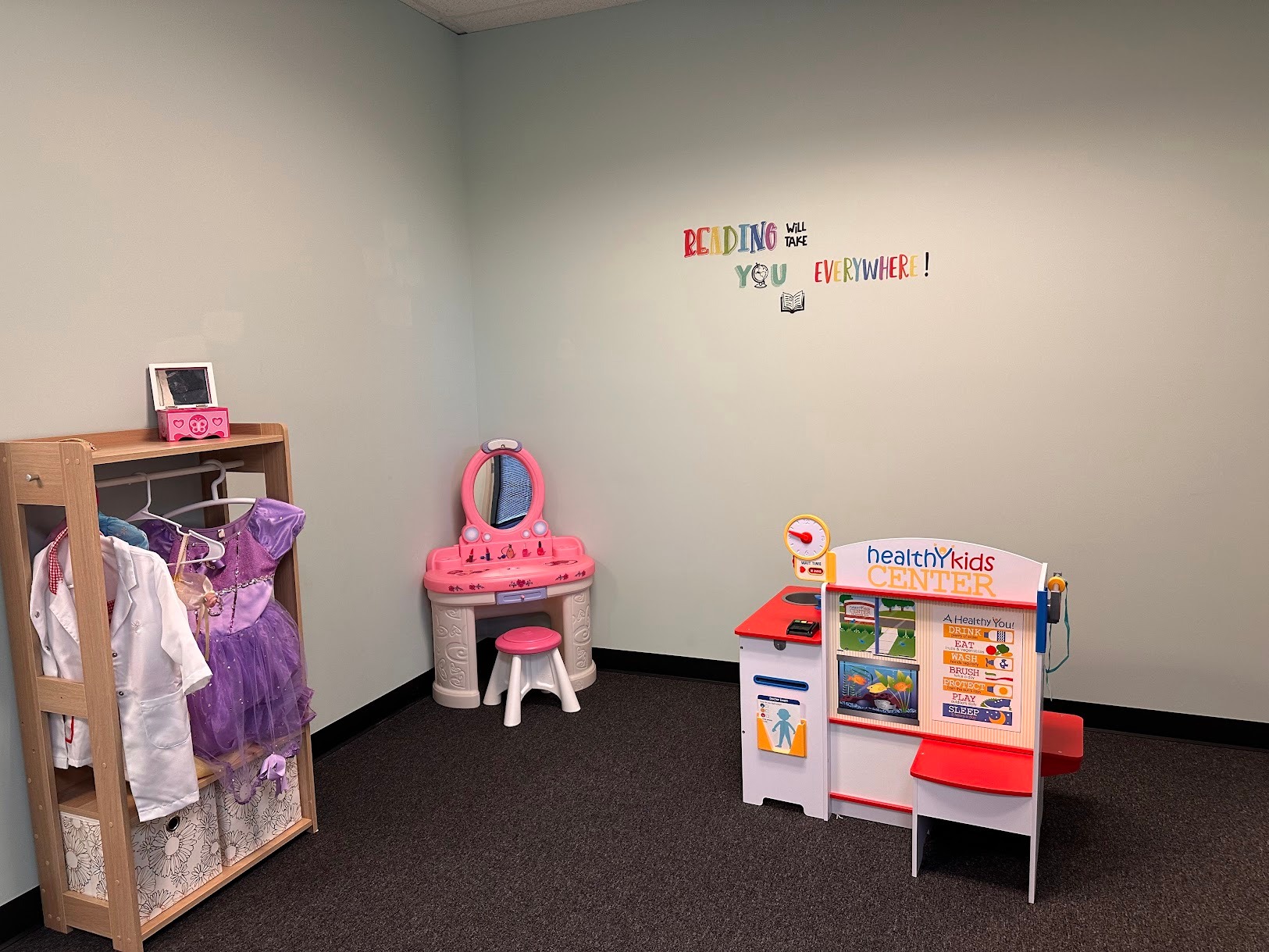
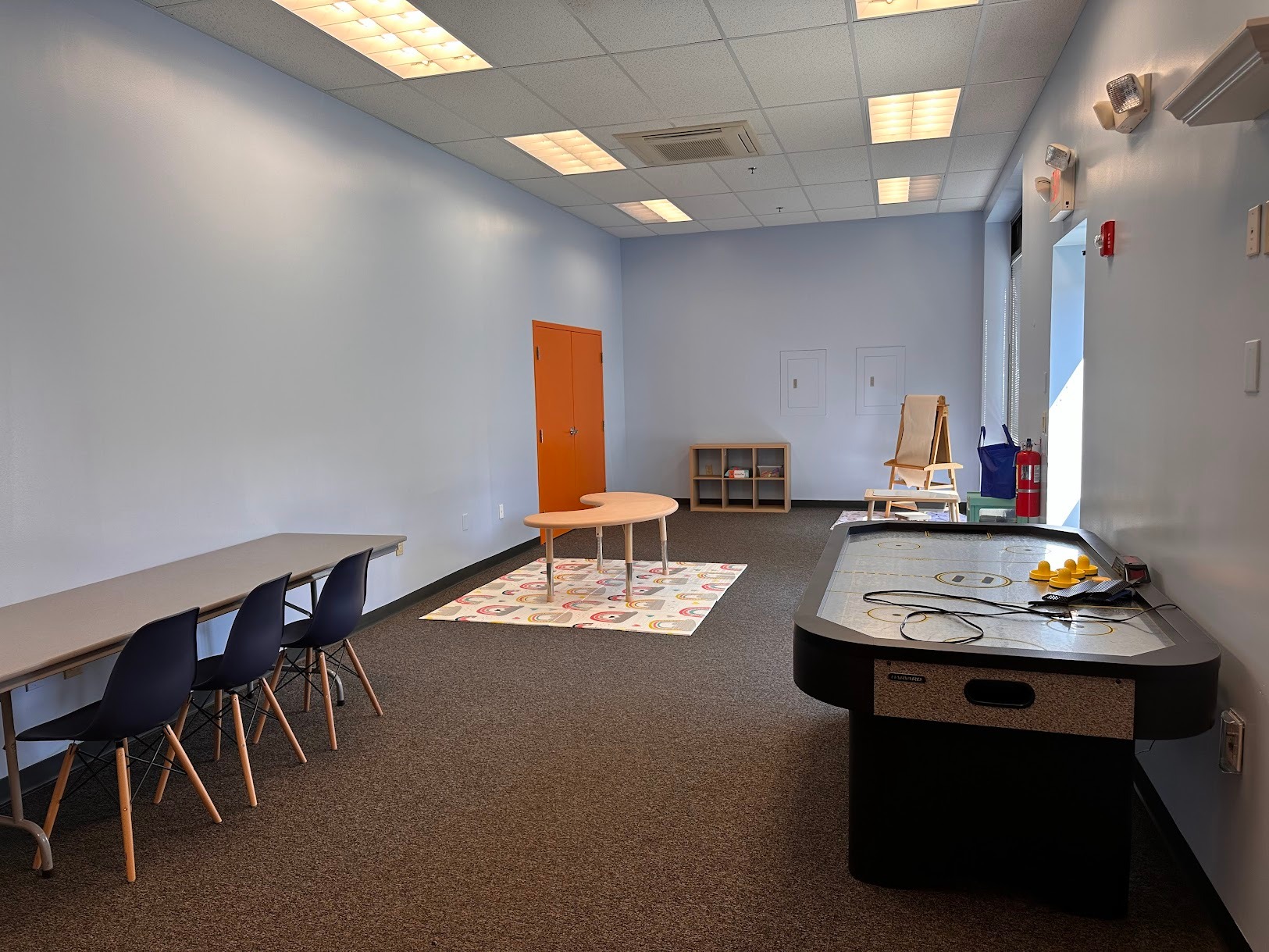
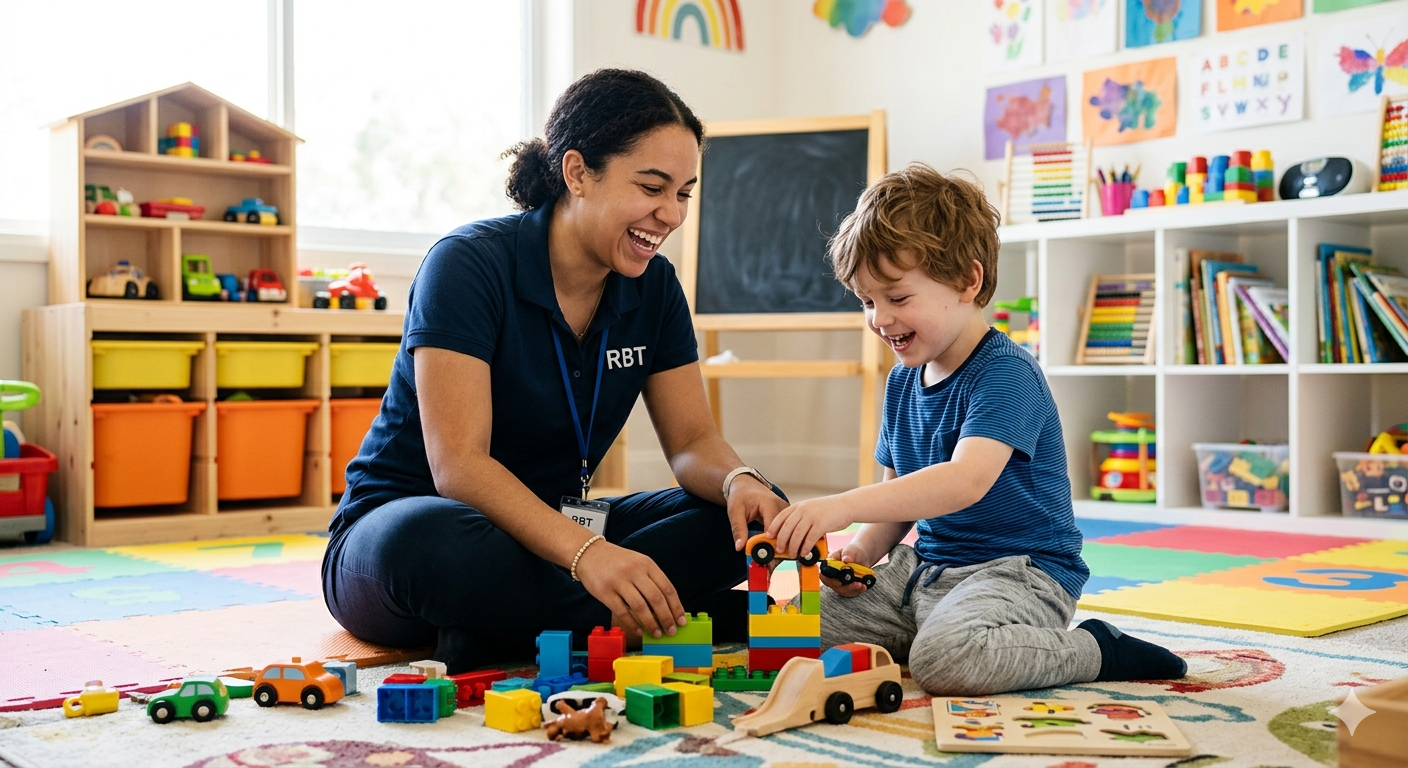
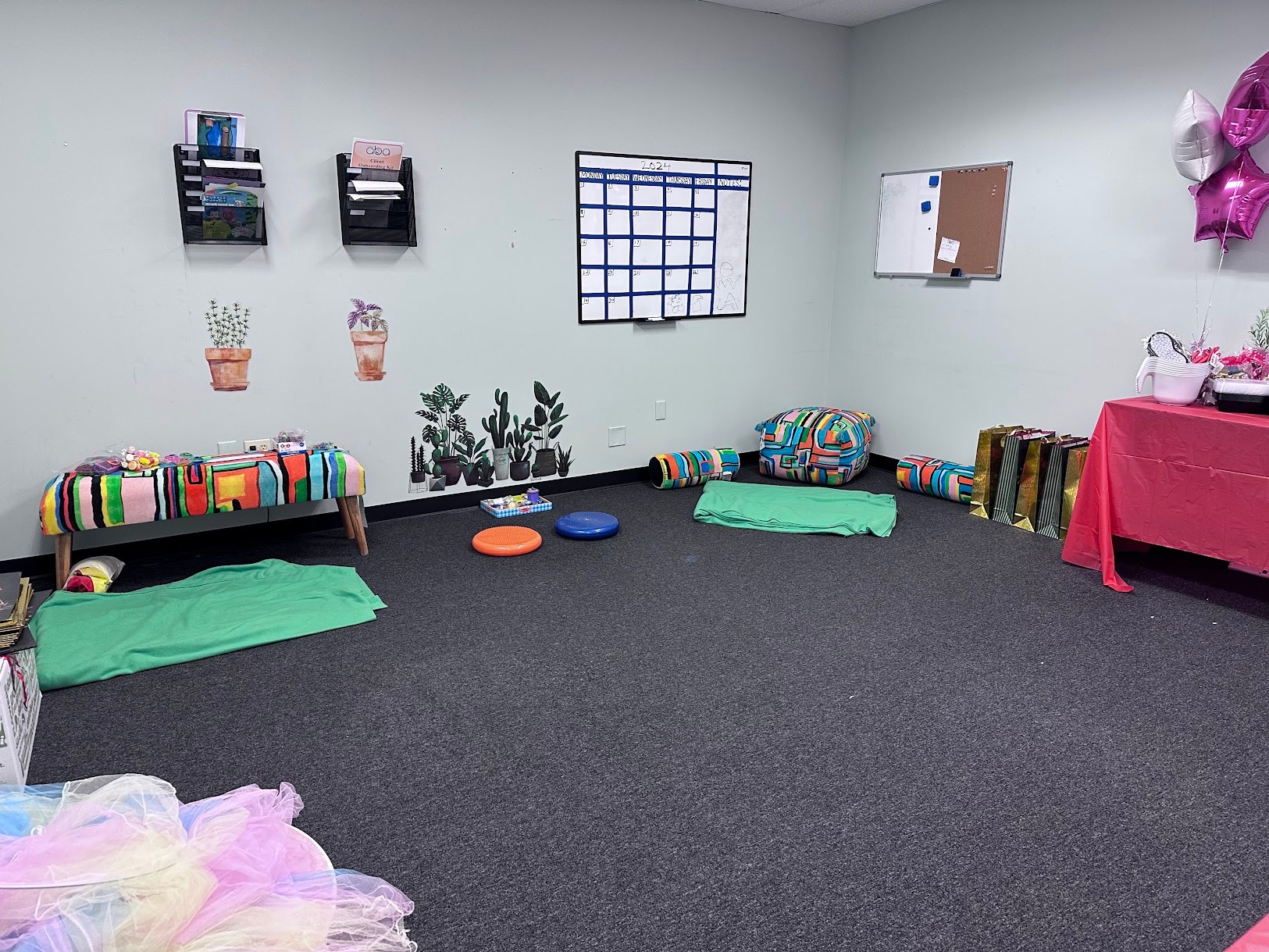
.png)