Understanding the Challenges of Transition for Students with Autism
Students with autism spectrum disorder (ASD) often rely on structured routines and predictability to feel secure and manage day-to-day challenges. Changes in staff or teachers can disrupt this stability, potentially increasing anxiety and behavioral difficulties. This article explores effective strategies, grounded in behavioral analysis and autism-informed approaches, to support students during such transitions and foster positive outcomes.
The Importance of Predictability and Routine for Autism

Why Are Structured Routines Crucial for Children with Autism?
Many children with Autism Spectrum Disorder (ASD) find comfort and security in structured routines and predictability. Regular schedules help reduce anxiety by making their environment more understandable and less overwhelming.
How Do Changes in Routine Affect Children with Autism?
Shifts in routine or unexpected changes can cause significant stress and behavioral challenges for children with autism. Their difficulty in shifting attention and adapting to new scenarios makes transitions particularly challenging, which can lead to increased anxiety or disruptive behaviors.
How Can Visual Supports Help Manage Transitions and Improve Predictability?
Visual supports play a vital role in easing transitions and making routines more predictable. Tools like daily visual schedules, timers, picture cards, and social stories enable children to anticipate upcoming activities. For example:
- Visual schedules outline the day’s events, helping children understand what comes next.
- Timers and countdowns prepare them for changes in activity.
- Transition cards or objects indicate movement between locations.
- Social stories with pictures familiarize children with new or stressful situations ahead of time.
These visuals concretize the passage of time and sequence of events, supporting independence and smoothing transitions. Moreover, practicing visits to new locations or using videos to preview activities can further lower anxiety.
Incorporating these strategies into educational settings fosters a welcoming and structured environment where children with autism can thrive with greater confidence and less distress.
Preparing Students for Staff Changes Through Individualized Supports
Understanding Each Student with 'About Me' Sheets
Individualized support begins with gaining insight into each student's unique preferences, fears, and needs. 'About Me' sheets are important tools that staff can use to familiarize themselves with these personal details. These sheets provide crucial safety considerations and help tailor transition strategies that honor each student's individuality.
Creating a Welcoming and Supportive Environment
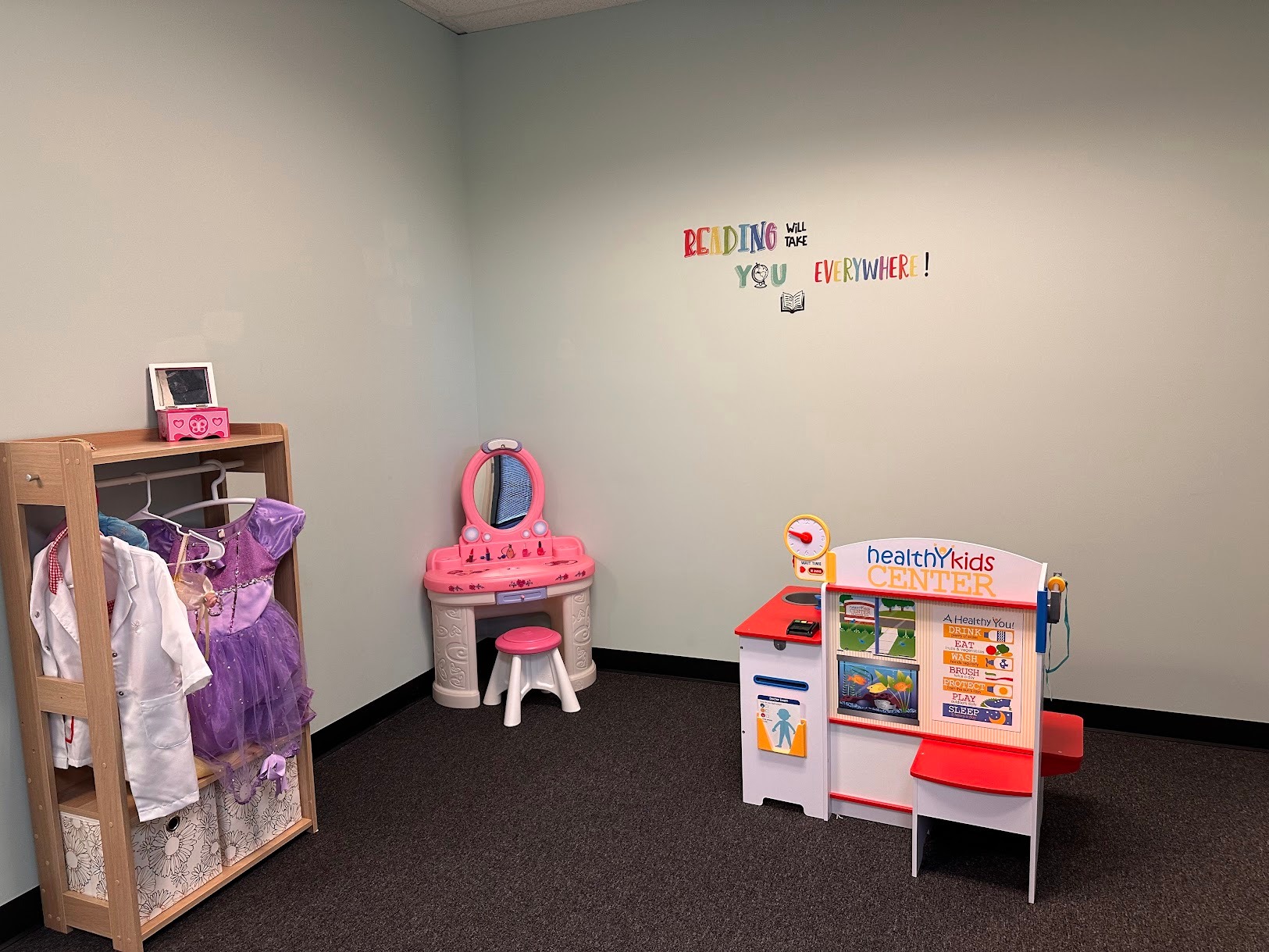
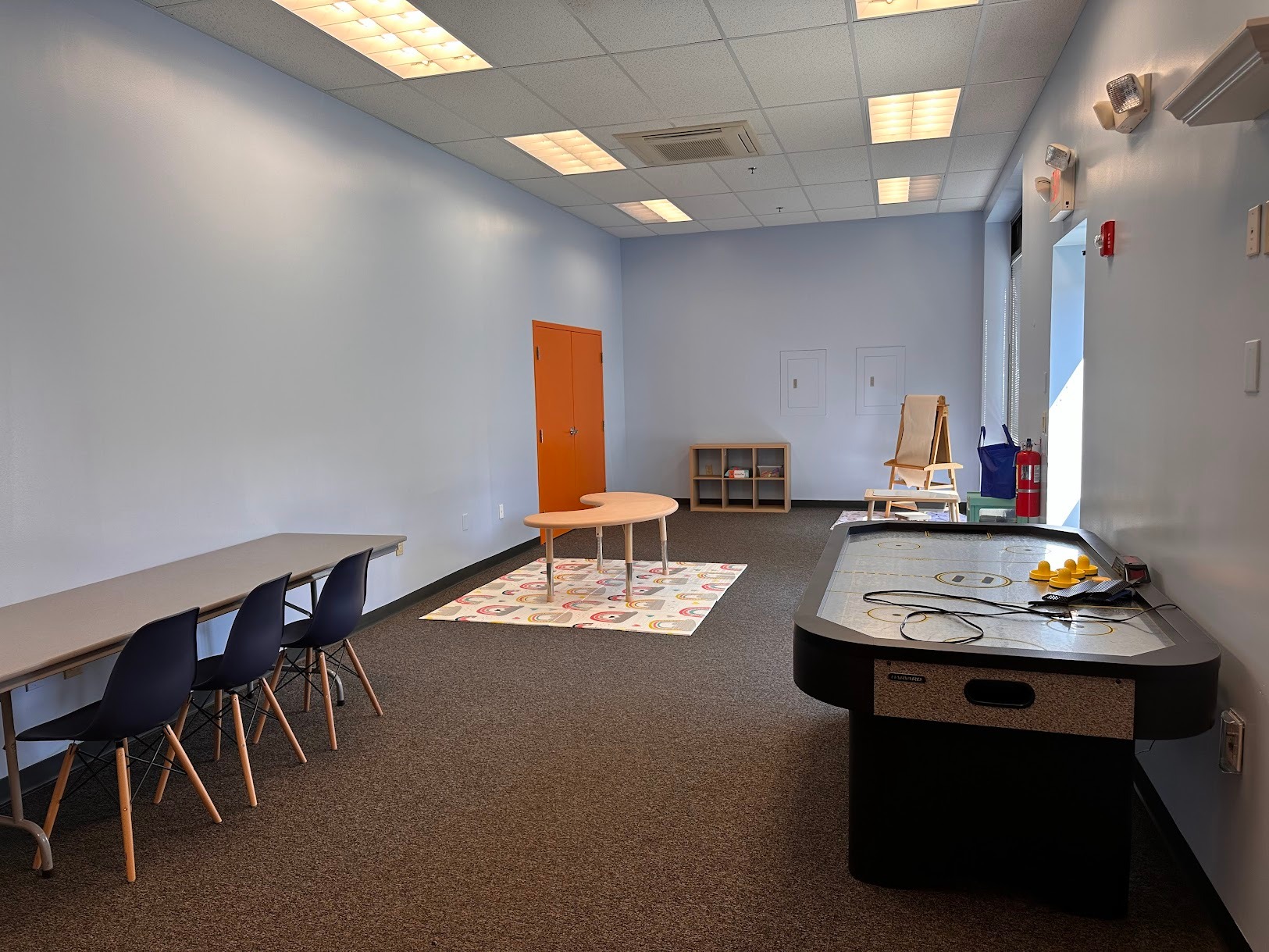
A nurturing environment is essential when introducing new staff to students with autism. Classrooms designed to foster social interaction and extended learning not only ease anxiety but also encourage positive experiences. Such environments support students as they adjust to changes, reducing stress related to unfamiliar faces or routines.
Gradual Introduction of New Staff
Preparing students for staff changes involves a gradual, thoughtful approach. When possible, new staff members should be introduced slowly to allow students ample time to become comfortable. This approach minimizes disruption and fosters trust.
Use of Social Stories and Videos for Familiarization
Visual aids, such as social stories with pictures and videos, are highly effective for preparing students for transitions like meeting new staff. Social stories clearly explain what students can expect, while videos familiarize them with the new environment and personnel. These tools reduce anxiety by making the unknown more predictable and manageable.
By combining personalized information with supportive environments and gradual changes, educators can help students with autism navigate staff transitions smoothly and confidently.
Applied Behavior Analysis (ABA): Foundations and Benefits in Autism Support
What is Applied Behavior Analysis (ABA) therapy?
Applied Behavior Analysis (ABA) is a scientifically validated approach that applies principles of learning and behavior to support individuals with autism spectrum disorder (ASD). The therapy focuses on understanding behavior patterns through the antecedent-behavior-consequence (A-B-C) model and designs personalized interventions to increase beneficial behaviors like communication, social skills, and daily living abilities while reducing problematic behaviors.
ABA uses a variety of techniques such as Discrete Trial Training, Pivotal Response Treatment, and naturalistic play-based methods. Interventions are overseen by Board Certified Behavior Analysts (BCBAs) and implemented by trained therapists with ongoing monitoring and adjustment to meet each individual's needs.
Benefits of ABA for communication, social skills, and behavior
ABA therapy has demonstrated effectiveness in helping children with autism develop critical skills. It supports improved communication abilities, ranging from basic requests to more complex language use. Social skills, including peer interaction and cooperation, are enhanced through structured teaching and positive modeling.
ABA also targets challenging behaviors often seen in ASD, such as tantrums or noncompliance, by addressing underlying causes and environmental triggers. By providing clarity and structure, ABA promotes greater independence and smoother transitions, important for reducing anxiety associated with changes in routine.
Role of positive reinforcement
A cornerstone of ABA is positive reinforcement—rewarding desired behaviors to increase their frequency. This might include praise, token systems, or tangible rewards, all designed to motivate and encourage skill acquisition.
Through consistent reinforcement, children are more likely to repeat appropriate behaviors and develop functional communication and coping strategies. This approach fosters a positive learning environment, reinforcing the gains made and supporting long-term success in various settings.
| Aspect | Description | Impact on Autism Support |
|---|---|---|
| ABA Therapy Definition | Behavior-based, evidence-supported method assessing and modifying behaviors | Builds tailored interventions to improve skills |
| Benefits | Enhances communication, social skills; reduces problematic behaviors | Promotes independence and social integration |
| Positive Reinforcement | Use of praise and rewards to increase desired behaviors | Motivates learning and consistent positive behavior |
Implementing ABA Techniques to Support Transitions and Manage Behaviors
What are common techniques used in ABA therapy?
Applied Behavior Analysis (ABA) therapy employs several effective techniques to support children with autism. Positive reinforcement is a core method where desired behaviors are encouraged by providing rewards, such as praise or tokens, boosting motivation and reinforcing progress. Discrete trial training offers structured teaching opportunities, breaking skills into small, manageable steps.
Modeling plays a vital role, using visual or video examples to show appropriate behaviors for imitation. Prompting and fading help guide individuals by offering cues that are gradually removed to promote independence. Behavior chaining teaches complex behaviors step-by-step, while behavior contracts set clear expectations and reinforce achievements.
Other techniques include extinction to reduce unwanted behaviors, redirection to shift attention, script fading to decrease reliance on set responses, and the ABC approach (Antecedent-Behavior-Consequence) to understand and modify behavior triggers and outcomes. Each method is customized to the individual's needs to encourage positive behavior and reduce challenging behaviors.
How can visual schedules and prompts support transitions?
Visual supports are crucial in helping children with autism navigate transitions smoothly. Visual schedules, such as daily picture-based routines, timers, and countdowns, provide concrete expectations and reduce anxiety. Transition cues like photos, icons, or words signal upcoming changes, making shifts in activities or locations more predictable.
Implementing 'finished' boxes or structured transition activities creates a comforting routine that encourages independence. These visual strategies decrease challenging behaviors during transitions and improve attention. Environmental adjustments, such as reducing sensory overload and organizing activities sequentially, further enhance transition success.
What role does functional behavioral assessment play in tailoring interventions?
Functional behavioral assessments (FBA) are foundational to designing effective, individualized interventions. FBAs identify the reasons behind challenging behaviors by examining their context and function, whether for communication, sensory needs, or avoidance.
Interventions are then tailored using prevention techniques to reduce triggers, replacement strategies to teach alternative skills, and response methods to reinforce positive behaviors. This multifaceted approach ensures support aligns with each child's unique needs, promoting dignity and long-term success in behavior management.
Collaborating with Qualified Professionals to Ensure Effective ABA Therapy

Who provides ABA therapy and what qualifications do they have?
ABA therapy is delivered by specialized professionals including Board Certified Behavior Analysts (BCBAs), Board Certified Assistant Behavior Analysts (BCaBAs), Registered Behavior Technicians (RBTs), and other therapists trained in behavioral analysis. A BCBA generally holds a master's degree focusing on Applied Behavior Analysis, Psychology with ABA specialization, or Education. They must complete specific coursework and supervised fieldwork, culminating in passing the Behavior Analyst Certification Board's exam. RBTs undergo comprehensive training programs and supervised practical experience, ensuring they are skilled to provide high-quality, consistent care.
Qualifications of BCBAs, RBTs, and therapists
Key qualifications shared by these professionals include strong analytical skills to assess behavior, excellent communication to interact with children and families, patience to support learners with diverse needs, and adherence to strict ethical practices. These traits are vital to tailoring ABA interventions to each individual's profile and minimizing challenging behaviors effectively.
Importance of ongoing professional development
Continuous training and professional development are fundamental for maintaining the effectiveness and ethical standards of ABA therapy. Professionals engage in continuing education to stay updated on emerging research, innovative intervention strategies, and best practices. Programs like the Incredible Years Teacher Autism program exemplify how advanced training empowers educators and therapists to adapt to children's evolving needs, ultimately improving therapy outcomes.
Tailoring Interventions and Avoiding One-Size-Fits-All Approaches
Is ABA therapy suitable for all individuals with autism?
Applied Behavior Analysis (ABA) therapy is a widely recognized, evidence-based approach designed to support individuals with autism spectrum disorder (ASD). It focuses on building skills, enhancing communication, and encouraging socialization through positive reinforcement. ABA's effectiveness depends heavily on personalized implementation that respects each person's unique needs.
Individualization of ABA therapy
ABA therapy should never be a uniform treatment. Instead, it requires tailoring to the individual’s strengths, preferences, and challenges. This involves detailed assessments to identify specific goals and the use of non-punitive, supportive techniques. Parents, educators, and therapists work together to create a plan reflecting the person's developmental level and environment—whether at home, school, or community settings.
Consideration of strengths and preferences
Recognizing each person’s favored routines, sensory needs, and communication style is vital. Some individuals might respond well to visual supports and structured routines within an ABA program, whereas others may benefit from more flexible or sensory-friendly adaptations. For example, incorporating calming tools like fidget toys or visual schedules can reduce anxiety and enhance learning.
Limitations and suitability of ABA for different individuals
While ABA is effective for many, it may not suit everyone. Individuals who have a strong preference for predictability or who experience particular sensory or communication challenges might find some ABA approaches less compatible. The therapy requires ongoing evaluation to ensure it aligns well with the individual's well-being and personal goals.
In all cases, it’s important that interventions, including ABA, promote dignity and self-advocacy rather than attempting to "cure" autism. This person-centered approach ensures support plans respect autonomy and empower the individual.
| Aspect | Description | Importance |
|---|---|---|
| Individualization | Tailoring ABA to each person's needs, strengths, and preferences | Ensures the therapy is relevant and effective |
| Collaboration | Involving family, educators, and therapists | Facilitates holistic support and meaningful progress |
| Use of Visual Supports | Incorporating schedules, cues, and sensory tools | Helps manage anxiety, transitions, and enhances understanding |
| Monitoring Suitability | Regularly reviewing progress and well-being | Adapts therapy to changing needs and prevents adverse effects |
| Respect for Autonomy | Emphasizing dignity, choice, and self-advocacy | Maintains person-centered focus and promotes lasting positive outcomes |
Managing Sensory and Behavioral Challenges During Staff Transitions
Supporting Sensory Needs during Transitions
Transitions can be particularly challenging for children with autism due to sensory sensitivities and communication differences. Providing sensory supports like noise-canceling headphones, fidget toys, and weighted blankets can help children manage sensory overload during these times. These tools create a calmer environment that fosters focus and comfort as students adjust to changes.
Using Visual Supports and Social Narratives
Visual rules and social narratives are effective strategies to help children understand behavior expectations and prepare for staff transitions. Visual schedules, cues, and simple directions enable students to anticipate what comes next, reducing anxiety. Social stories with pictures can explain new routines or changes in a friendly and clear way, offering reassurance and promoting smoother transitions.
Recognizing and Preventing Bullying and Social Isolation
Due to communication challenges, bullying or negative behaviors toward students with autism might go unnoticed. Staff should carefully assess social situations and proactively pair students with peers, encourage small group work, and foster welcoming environments that support social interaction. This approach helps prevent social isolation and promotes acceptance, ensuring students feel safe and supported during transitions.
These combined strategies create a positive and structured environment that addresses sensory and behavioral needs during staff changes, improving students’ overall well-being and learning experiences.
Strengthening Social Interaction and Peer Relationships Amid Staff Changes
How Can Buddy Systems and Peer Pairing Support Autistic Students During Staff Changes?
Buddy systems and peer pairing provide autistic students with consistent social connections that foster a sense of belonging, even when there are changes in staff. Pairing students with supportive peers helps build trust and comfort, buffering the possible stress caused by new teachers or aides. This approach encourages natural social interaction and learning through observation, helping students feel safer and more included.
What Role Do Small Group Activities Play in Enhancing Social Skills?
Small group activities offer an ideal setting for autistic children to practice social skills in a structured and manageable environment. These groups promote collaboration and communication, allowing students to develop friendships and understand social cues better. By participating in these activities, children learn to take turns, share ideas, and work as a team, which is critical for their social development.
How Can We Teach Understanding and Acceptance to Prevent Social Isolation?
Teaching acceptance involves encouraging empathy and awareness among all students. Strategies include modeling positive interactions, using social narratives, and fostering inclusive classroom cultures. Preventing social isolation means ensuring autistic students are not excluded from activities or peer groups. Emphasizing respect for differences and celebrating unique strengths help cultivate a welcoming community where every student feels valued and understood.
Together, these strategies—buddy systems, small group work, and acceptance-building—create a supportive social network for autistic students that remains stable and nurturing during transitions like staff changes. This support helps mitigate anxiety, promotes independence, and improves overall school experience.
Fostering Continuity and Confidence Through Informed Strategies
Successfully managing changes in staff or teachers requires a thoughtful, individualized approach that respects the unique needs and preferences of students with autism. Employing evidence-based strategies, such as those derived from Applied Behavior Analysis, alongside sensory accommodations and social supports, can significantly ease the transition process. By preparing students in advance with visual aids, personalized information, and gradual introductions, schools can foster stability and reduce anxiety. Importantly, training and collaboration among educators, therapists, families, and peers are essential to provide consistent, compassionate care. With these strategies in place, students with autism can thrive through staff changes, maintaining progress and well-being in their educational journey.
References
- Autism in the classroom: Strategies for success
- Treatment for Behavioral Issues in Autism
- Autism and Dealing with Change
- Transition Time: Helping Individuals on the Autism Spectrum ...
- Strategies and interventions
- Effective Classroom Strategies for Teaching Students with ...
- A Comprehensive Guide to ABA Therapist Requirements
- Applied Behavior Analysis (ABA)
- Comparing Autism & ABA Therapy Technician Certifications


.png)