Understanding Autism-Friendly Travel Needs
Traveling through busy airports and travel hubs can be an overwhelming experience for many individuals with autism spectrum disorder (ASD). Sensory overload, unfamiliar environments, and changes to routines often contribute to heightened anxiety. Creating autism-friendly airports and travel hubs involves specialized accommodations, staff training, and sensory supports designed to ease these challenges. Integrating best practices informed by behavioral therapies like Applied Behavior Analysis (ABA) and incorporating multisensory resources can help make the travel experience more inclusive and comfortable for autistic travelers and their families.
The Role of ABA Therapy in Supporting Autism Travel Experiences

What is ABA therapy and its relevance to autism support
Applied Behavior Analysis (ABA) therapy is a well-established, evidence-based approach aimed at understanding and improving behaviors by using reinforcement strategies. It is especially effective in helping individuals with autism develop vital skills such as communication, social interaction, and adaptability. ABA therapy employs naturalistic and play-based methods that are tailored to each person’s needs, encouraging these skills to transfer to everyday settings beyond clinical environments.
How ABA’s principles can guide travel accommodations
The principles of ABA can be instrumental in designing travel accommodations for individuals with autism. By observing behaviors and preferences in travel contexts, caregivers and professionals can create supportive, predictable environments. Reinforcement strategies help encourage positive travel behaviors, while minimizing stress and anxiety. This approach aligns with practices such as early planning and maintaining familiar routines during trips, which ease transitions and increase comfort.
Use of individualized strategies to reduce anxiety in travel settings
ABA therapy's individualized focus is crucial when addressing travel-related anxiety. Strategies may include gradual exposure to travel scenarios, role-playing experiences similar to air or car travel, and employing coping mechanisms like sensory tools. For instance, incorporating weighted blankets or noise-cancelling headphones, similar to the sensory packages offered in vehicles like the Chrysler Pacifica, helps manage sensory sensitivities effectively. These personalized interventions enable smoother travel experiences and enhance overall participation and enjoyment during trips.
Qualified Professionals and Multidisciplinary Teams Enhancing Autism-Friendly Travel
Who provides ABA therapy, and what qualifications do professionals typically have?
Applied Behavior Analysis (ABA) therapy is delivered by professionals with specialized training, most notably Board Certified Behavior Analysts (BCBAs) and BCBA-Ds. These experts have completed rigorous educational programs and passed certification exams administered by the Behavior Analyst Certification Board. Their training equips them to develop individualized treatment plans that focus on skill development and behavior modification tailored to each person's needs.
Importance of trained staff at travel hubs
Beyond clinical settings, the presence of trained autism support staff at airports and other travel hubs is vital. Airports and airlines, including JetBlue, Delta, American, and United, often collaborate with autism organizations to train their employees in autism awareness and communication strategies. This ensures travelers with autism receive compassionate, knowledgeable support in high-stress environments.
Collaboration between autism service providers and travel industry
Organizations like Catalight provide evidence-based therapies and advocate for autism-inclusive environments, fostering partnerships with travel providers to offer practical accommodations. Programs such as Wings for Autism create airport 'dress rehearsals' to familiarize children with the travel experience. Similarly, cruise lines and theme parks train their staff and offer sensory-friendly services to ease anxiety and sensory overload. These multidisciplinary collaborations enhance the overall travel experience for individuals with autism by integrating clinical expertise with practical travel accommodations.
Sensory Accommodations and Environmental Modifications at Airports
What Are Multisensory Rooms in Airports?
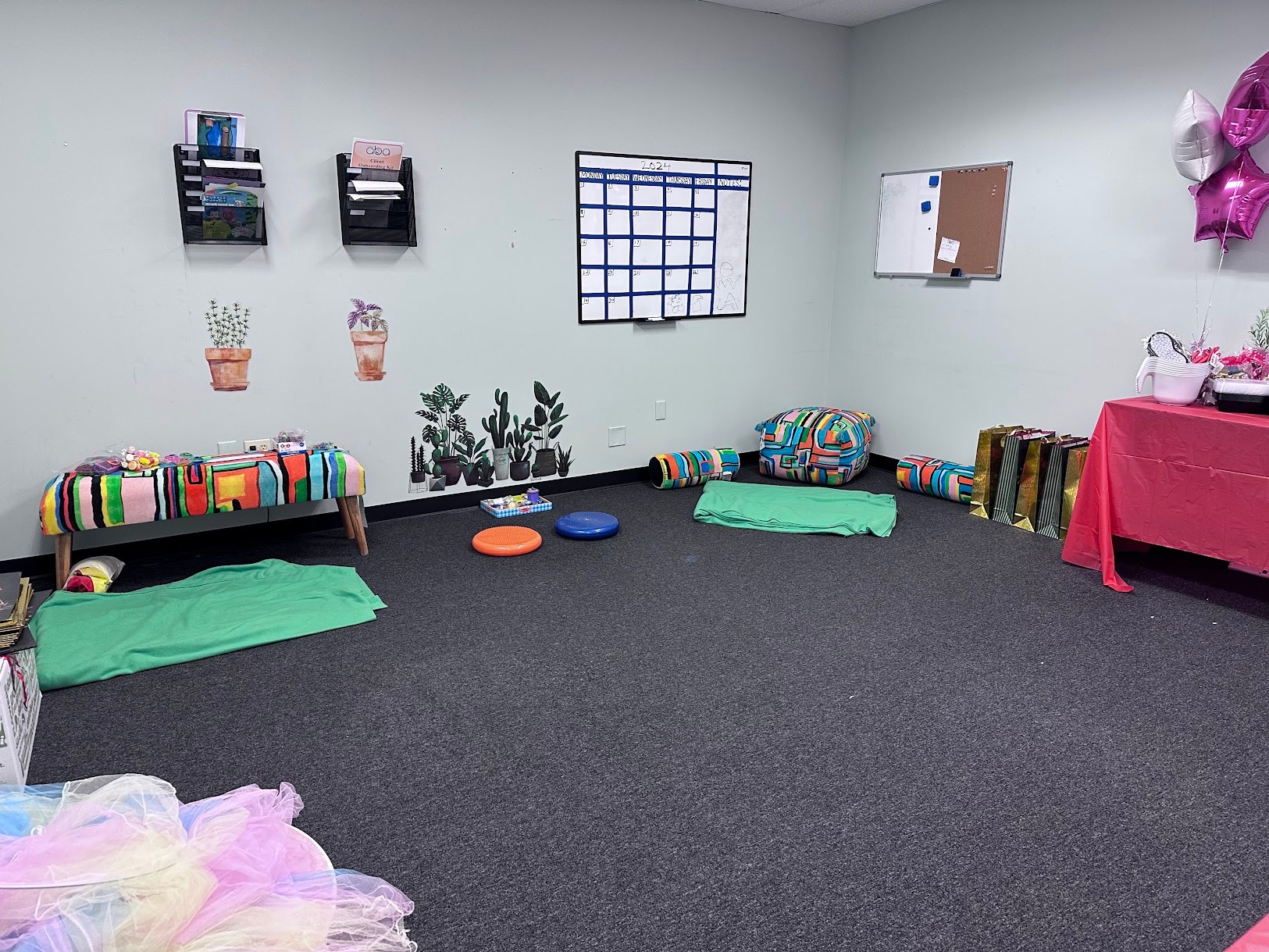
Multisensory rooms in airports are specially designed spaces aimed at providing calm and tranquility to travelers with autism. These rooms typically feature soft lighting, soothing sounds, and various sensory tools to reduce anxiety and sensory overload triggered by the busy airport environment. Many major airports now integrate these rooms to help passengers regulate their sensory input before boarding.
How Do Noise-Cancelling Headphones and Fidget Toys Help?
Noise-cancelling headphones are highly beneficial for minimizing overwhelming background noise in crowded airports, helping autistic travelers to stay calm and focused. Alongside this, fidget toys serve as effective tools to engage the hands and distract from stressors, offering sensory stimulation that can soothe anxiety. These items can be brought along or provided by travel services as part of sensory support kits.
How Are Calming Physical Spaces Designed for Autistic Travelers?
Calming physical spaces at airports involve a thoughtful layout with minimal visual clutter and reduced foot traffic to decrease sensory challenges. Elements include comfortable seating, quiet zones, and accessibility to multisensory rooms. Airports and airlines often collaborate to train staff in autism awareness, ensuring supportive interactions for travelers requiring such accommodations.
Summary Table of Sensory Accommodations at Airports
| Accommodation | Description | Benefit for Autistic Travelers |
|---|---|---|
| Multisensory Rooms | Quiet rooms with sensory tools | Reduces overload and anxiety |
| Noise-Cancelling Headphones | Headphones that block ambient noise | Minimizes auditory sensory input |
| Fidget Toys | Small, handheld objects for tactile stimulation | Provides calming sensory engagement |
| Calming Physical Spaces | Quiet zones, minimal clutter | Creates a soothing environment |
These accommodations collectively improve the airport experience for autistic individuals, fostering a less stressful and more navigable travel environment.
Innovative Travel Programs and Supportive Initiatives for Autism
What are airport dress rehearsals by Wings for Autism?
Wings for Autism offers special airport "dress rehearsals" designed to help children with autism get familiar with the air travel experience. These trial runs allow participants to practice everything from check-in to boarding, reducing anxiety and making actual flights more comfortable and manageable.
How do airlines support passengers with autism?
Major airlines such as JetBlue, Delta, American, and United actively participate in autism support programs. Many airports have incorporated multi-sensory rooms where passengers can retreat to calming environments if overwhelmed, enhancing the travel experience for individuals with sensory sensitivities.
Which cruise lines and theme parks have adapted autism-friendly services?
Several cruise lines including Autism on the Seas, Carnival, Celebrity, Disney, Norwegian, and Royal Caribbean provide tailored services for passengers with autism. These include quiet spaces, staff trained in autism awareness, and sensory-friendly activities.
Likewise, theme parks like Disney, Legoland, SeaWorld, Six Flags, and Sesame Place offer accommodations such as Disability Access Service (DAS) passes, Hero Passes, Ride Accessibility Programs, and sensory guides. These initiatives help reduce anxiety and sensory overload, creating more inclusive environments.
What travel tips are recommended for families traveling with individuals with autism?
Advocates recommend early planning and maintaining daily routines while traveling to support individuals with autism. These tips align with best practices in autism support and help ensure a smoother experience by minimizing changes and surprises during trips.
Travel Alternatives and Supporting Autism Inclusivity Beyond Airports
Benefits of Staycations with Sensory-Friendly Activities
Staycations serve as a valuable alternative to traditional travel for individuals with autism. They enable families to enjoy local attractions that often offer special hours or quiet zones designed to reduce sensory overload and anxiety. Engaging in sensory-friendly activities nearby eliminates the stressors associated with travel, providing comfort and familiarity that align with the needs of those on the spectrum.
Promoting Autism-Inclusive Environments Beyond Travel Hubs
Promoting autism inclusivity extends well beyond airports by encouraging communities to create supportive environments. Organizations like Catalight advocate for autism-inclusive spaces that embrace practical strategies such as early planning, maintaining regular routines, and using specialized resources. This approach fosters everyday settings where individuals with developmental disabilities can thrive comfortably and confidently.
Integrating Evidence-Based Treatments Like ABA in Everyday Settings
Applied Behavior Analysis (ABA) therapy is widely recognized as an effective evidence-based treatment for autism. ABA begins with a detailed assessment to develop a tailored plan focused on skill acquisition and behavior management, utilizing positive reinforcement and continuous progress tracking. Importantly, ABA is often implemented in natural environments like home or community settings, ensuring that learning generalizes to real-life contexts. This integration supports meaningful and lasting improvements in communication, independence, and social skills.
| Aspect | Description | Example/Application |
|---|---|---|
| Staycations | Local stay-at-home vacations with sensory-friendly options to reduce stress | Special hours at museums or quiet zones in parks |
| Autism-Inclusive Environments | Creating spaces that respect sensory needs and promote comfort | Routine maintenance at schools and community centers |
| Evidence-Based Treatment (ABA) | Systematic behavioral intervention started with assessments and tailored plans | Home-based therapy sessions with caregiver involvement |
Towards More Inclusive and Supportive Travel Environments
Creating autism-friendly airports and travel hubs demands coordinated efforts involving evidence-based therapies, qualified professionals, sensory accommodations, and innovative programs. By fostering autism-inclusive environments and providing tailored supports—from behaviorally informed staff training to specialized sensory resources—travel can become less daunting and more accessible for autistic individuals and their families. Additionally, integrating these best practices beyond airports, including alternative travel options and staycations, ensures inclusivity extends into everyday life, enhancing quality of life and participation for those on the spectrum.
References
- Four Travel Tips to Create an Autism-Inclusive Family ...
- 5 Tips for Planning a Successful Vacation for Your Child ...
- Applied Behavior Analysis (ABA)
- Qualifications of Behavior Service Providers
- The Controversy Around ABA
- Treatment and Intervention for Autism Spectrum Disorder
- The effectiveness of applied behavior analytic interventions ...
- Applied Behavior Analysis (ABA)
.png)