Applied Behavior Analysis (ABA) therapy is one of the most widely used and researched approaches for supporting children with autism. It focuses on understanding behavior and how learning takes place, helping children build meaningful skills that improve their daily lives.
According to the Association for Science in Autism Treatment, ABA is a scientifically validated approach that has been shown to help individuals with autism learn important skills and reduce behaviors that may interfere with learning. For parents, understanding the benefits of ABA therapy can make it easier to decide whether this type of support may help their child grow and succeed.
Key Takeaways
- ABA therapy helps children with autism improve communication, social, and daily living skills.
- It uses positive reinforcement and step-by-step teaching to support learning.
- ABA therapy can reduce challenging behaviors by teaching safer ways to express needs.
- Programs are personalized and data-driven to match each child’s goals and progress.
- Family involvement helps children apply new skills in everyday situations.
- ABA therapy can support long-term independence, confidence, and success.
What Is ABA Therapy?
ABA therapy or Applied Behavior Analysis, is a therapy that focuses on how behavior works and how learning takes place. It examines how a child’s environment affects behavior and uses evidence-based strategies to teach helpful skills.
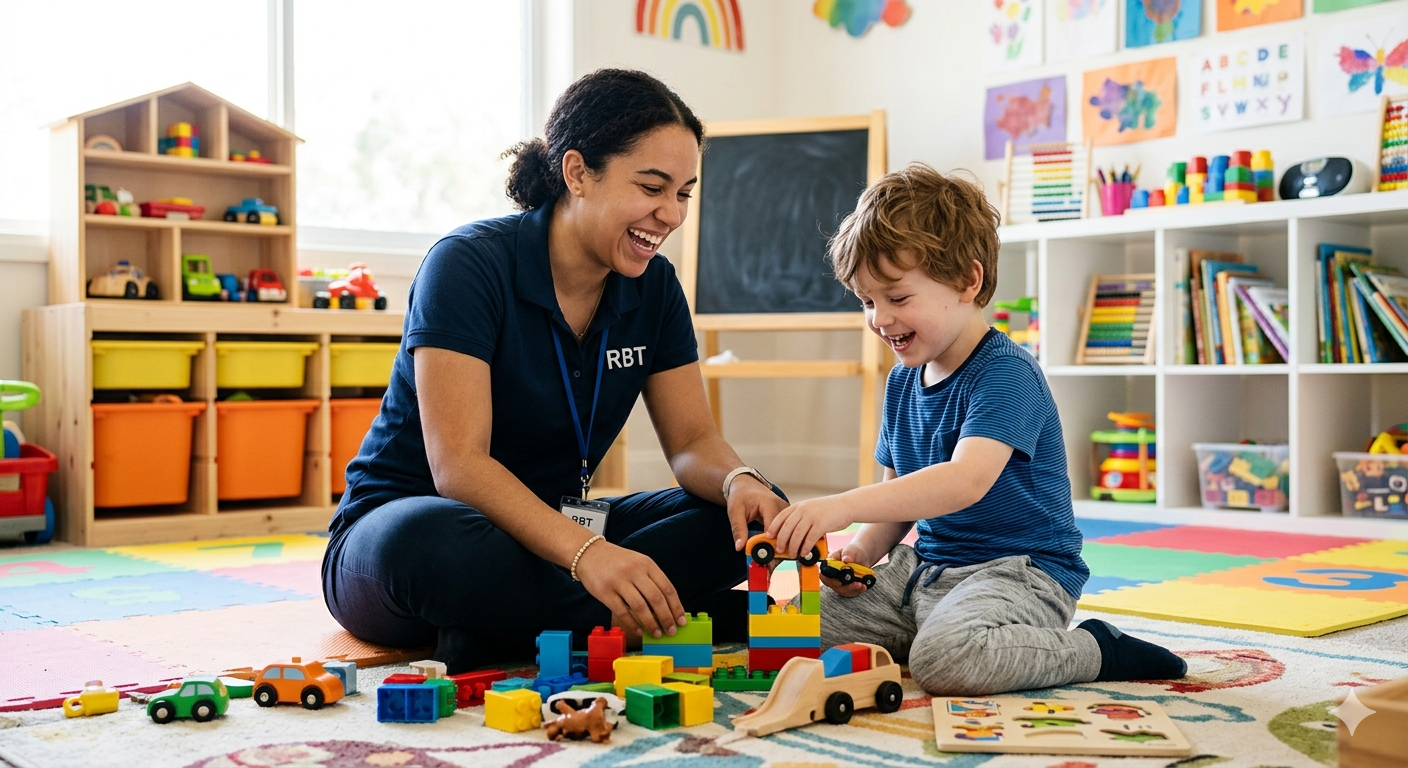
In ABA therapy, therapists observe a child’s behavior, identify goals, and create strategies that help the child learn new skills step by step. These strategies often include breaking tasks into smaller parts, modeling behaviors, and reinforcing positive actions.
Another important part of ABA therapy is personalization. Every child is different, so ABA programs are designed around each child’s needs, strengths, and developmental goals. Therapists continuously monitor progress and adjust strategies to ensure the therapy remains effective. Because of this individualized approach, ABA therapy can support children with autism in many areas of development.
1. Helps Improve Communication Skills
One of the most important benefits of ABA therapy is helping children improve their communication skills. Many children with autism experience challenges with expressing their needs, wants, and emotions. ABA therapy provides structured methods to teach these skills.
Therapists may help children learn to:
- Ask for help
- Request items or activities
- Express feelings
- Participate in conversations
Communication support can include both verbal and nonverbal strategies. Some children learn spoken language, while others may use gestures, pictures, or communication devices to express themselves.
ABA therapy also helps children understand how communication works in everyday situations. For example, children may practice greeting others, responding to questions, or asking for assistance. These skills allow children to interact more comfortably with family members, teachers, and peers.
2. Builds Social Skills
Social interaction can sometimes be difficult for children on the autism spectrum. ABA therapy helps children develop social skills through guided practice and positive reinforcement.
Therapists may work with children on skills such as:
- Sharing toys and materials
- Taking turns during activities
- Playing with other children
- Understanding social cues
Through structured activities, children learn how to recognize body language, facial expressions, and other social signals. This helps them understand how others are feeling and how to respond appropriately.
Practicing these interactions in a supportive environment allows children to gain confidence when communicating and playing with others. Over time, these experiences can help children feel more comfortable in social situations at home, in school, and in their communities.
3. Teaches Daily Living Skills
ABA therapy also helps children learn important daily living skills that support independence. These skills are essential for participating in everyday activities at home, school, and in the community.
Examples of daily living skills that ABA therapy may teach include:
- Getting dressed
- Brushing teeth
- Washing hands
- Following routines
- Completing simple chores
Therapists break these tasks into smaller steps and teach them gradually. As children practice and succeed, they gain confidence in their ability to complete tasks on their own. Learning these skills not only helps children become more independent but also prepares them for greater responsibility as they grow older.
4. Reduces Challenging Behaviors
Another major benefit of ABA therapy is helping reduce behaviors that may interfere with learning or daily life. Instead of simply stopping unwanted behavior, ABA focuses on understanding why the behavior occurs.
Therapists analyze the situation to determine what triggers certain behaviors and what the child may be trying to communicate. Once the cause is understood, therapists teach safer and more appropriate ways for the child to express their needs.
ABA therapy emphasizes positive reinforcement. This means that when a child demonstrates a helpful or appropriate behavior, they receive encouragement, praise, or another reward. Over time, this helps strengthen positive behaviors.
According to the University of Cincinnati, ABA therapy can help children increase behaviors that are helpful and decrease behaviors that are harmful or affect learning. By teaching alternative skills and coping strategies, children can learn to manage frustration and express themselves more effectively.
5. Improves Focus and Learning Skills
Many children with autism benefit from support in developing attention and learning skills. ABA therapy helps children build the ability to focus, follow instructions, and complete tasks. Therapists often use structured teaching methods to help children stay engaged during activities. These methods may include visual prompts, repetition, and step-by-step guidance.
Through consistent practice, children learn how to:
- Pay attention to tasks
- Follow directions
- Complete activities independently
- Stay engaged during learning
These skills can make a big difference in school settings, where children are expected to participate in structured activities and follow classroom routines. ABA therapy also supports the development of problem-solving and thinking skills, helping children approach challenges with greater confidence.
6. Personalized and Data-Driven Therapy
One of the defining features of ABA therapy is its individualized approach. Every child receives a treatment plan designed specifically for their needs, abilities, and goals. Therapists collect data during each session to track the child’s progress. This information helps determine which strategies are effective and which areas may need adjustment.
Because ABA therapy relies on continuous monitoring and evaluation, programs can evolve as the child develops new skills. This data-driven approach ensures that therapy remains responsive to the child’s growth and changing needs. The use of evidence-based methods is one reason ABA therapy is widely recognized as an effective intervention for individuals with autism.
7. Involves Parents and Families
ABA therapy does not only involve therapists and children. Families play a key role in supporting a child’s development.
Parents often learn strategies they can use at home to reinforce the skills their child is practicing in therapy. These strategies might include using positive reinforcement, providing clear instructions, or practicing communication techniques.
When parents and caregivers apply the same strategies outside of therapy sessions, children receive consistent support across different environments. Family involvement helps strengthen learning and encourages children to use their new skills in everyday situations.
Bonus: Long-Term Benefits of ABA Therapy
The goal of ABA therapy is not just short-term improvement. It aims to help children build skills that support long-term development and independence.
Over time, ABA therapy can help children:
- Communicate more effectively
- Build meaningful relationships
- Participate more confidently in school
- Develop independence in daily routines
Skills learned through ABA therapy can continue to benefit children as they grow and encounter new challenges. By building a strong foundation in communication, learning, and self-care, children can gain greater confidence in their abilities. For many families, ABA therapy provides tools and strategies that support their child’s development for years to come.

.png)