How to Teach a Child With Autism
According to University of Rochester, autism can affect social interaction, communication, and behavior patterns, though each child experiences these challenges differently. Because of this, teaching methods that work for neurotypical children may not always be effective for children with autism.
The good news is that many structured and evidence-based teaching strategies especially those used in Applied Behavior Analysis (ABA) can help children with autism develop important skills. By using clear instructions, structured environments, and positive reinforcement, parents, teachers, and therapists can create supportive learning experiences that encourage progress and independence.
Key Takeaways
- Children with autism often learn best with clear instructions, visual supports, and predictable routines.
- Breaking skills into small, manageable steps can make learning easier and less overwhelming.
- Positive reinforcement helps encourage desired behaviors and builds motivation.
- Structured environments with fewer distractions can improve focus and learning.
- Play-based, sensory-friendly, and communication-building activities can support skill development.
- Teaching social skills through role-playing, turn-taking, and peer interaction can improve everyday communication.
- Consistency between home, school, and therapy helps children build and maintain new skills.
Understanding How Children With Autism Learn
Children with autism often have unique learning styles. Some may learn best through visual information, while others benefit from hands-on activities or repetition. Many children with ASD are strong visual learners and may struggle with long verbal explanations.
Because autism affects how the brain processes information, children may need more time to understand instructions or may respond better when tasks are presented in a predictable way. Individualized learning plans often include targeted strategies, structured goals, and consistent reinforcement methods to help children build skills over time.
Children with autism often thrive in predictable environments. Consistent routines help reduce anxiety and make learning more manageable. When daily activities follow a familiar pattern, children know what to expect and can focus more on learning new skills. Maintaining similar expectations at home, school, and therapy sessions is also important for reinforcing learning.
Use Clear and Simple Instructions
Clear communication is one of the most effective ways to teach children with autism. Complex instructions can be confusing, so it is helpful to keep directions simple and direct.
Parents and teachers should:
- Use short, clear sentences
- Give one instruction at a time
- Avoid unnecessary details
Consistency in language is also important. Using the same words or phrases for specific actions helps children understand expectations more easily. Demonstrating tasks can also be helpful. Modeling a behavior or showing how an activity is done allows children to visually understand what is expected.
Break Skills Into Small Steps
Many children with autism benefit from learning through task analysis, a common ABA strategy that breaks complex skills into smaller, manageable steps.
By teaching one step at a time, children can focus on mastering each part of the task before moving to the next. Over time, these steps are combined to help the child perform the entire task independently. This step-by-step approach builds confidence and helps prevent frustration.
Use Positive Reinforcement
Positive reinforcement means rewarding desired behaviors to encourage them to happen again. When a child completes a task or demonstrates a new skill, immediate praise or rewards can strengthen that behavior.
Examples of reinforcement include:
- Verbal praise (“Great job!”)
- Stickers or small rewards
- Extra playtime or preferred activities
- Access to a favorite toy
The reward should be meaningful to the child and given immediately after the desired behavior occurs. This helps the child connect the behavior with the positive outcome. Positive reinforcement can improve motivation, engagement, and skill development.
Incorporate Visual Supports
Visual supports are extremely helpful for many children with autism because they provide clear and consistent information.
Visual Schedules
Visual schedules outline daily activities using pictures, symbols, or written words. They help children understand what will happen throughout the day. Knowing what comes next can reduce anxiety and help children transition between activities more smoothly.
Picture Cards and Cues
Picture cards are often used to support communication and learning. They can represent objects, actions, or instructions. For example, a picture card showing “clean up” may help a child understand that it is time to put toys away. Visual supports can improve understanding and independence for children with autism.
Helping Children Understand Expectations
Visual cues can also help children understand rules or routines. These help reinforce instructions and make learning more accessible.
For example:
- A picture of washing hands in the bathroom
- A “quiet voice” reminder in the classroom
- A step-by-step chart for completing tasks
Create Structured Learning Environments
A structured environment can significantly improve learning for children with autism.
Predictable Routines
Consistent schedules help children feel safe and prepared. When activities occur at the same time each day, children are more likely to participate and stay engaged.
Organized Learning Spaces
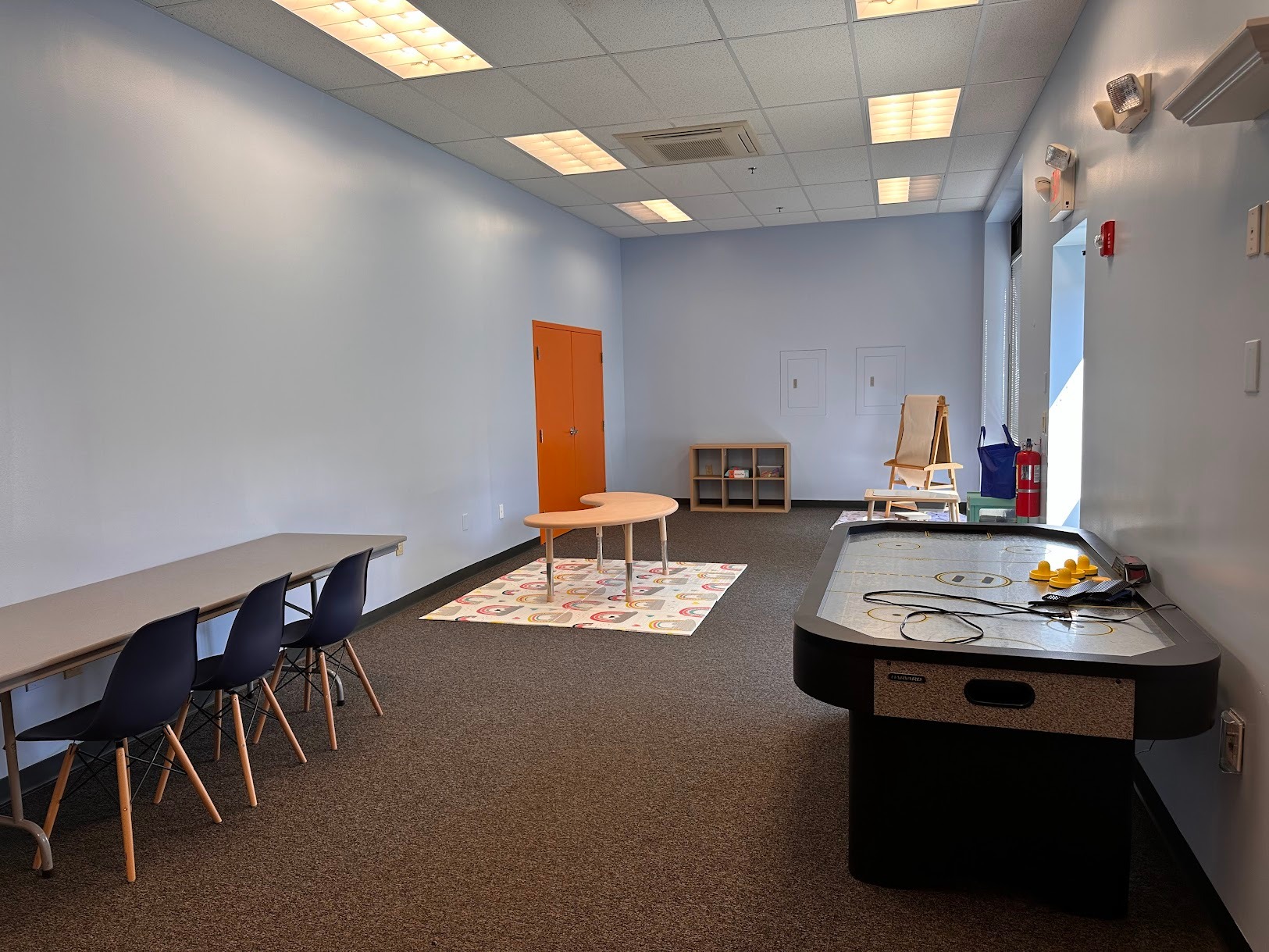
Learning environments should be organized and clearly defined. Separate areas for different activities such as reading, play, or work tasks can help children focus.
Reducing Distractions
Children with autism may be sensitive to noise, lights, or movement. Minimizing distractions in the learning space can help them concentrate. Simple adjustments like reducing clutter, limiting background noise, or using calm lighting can make a big difference.
Activities That Help Children With Autism Learn
Interactive activities can support learning while keeping children engaged and motivated.
Play-Based Learning Activities
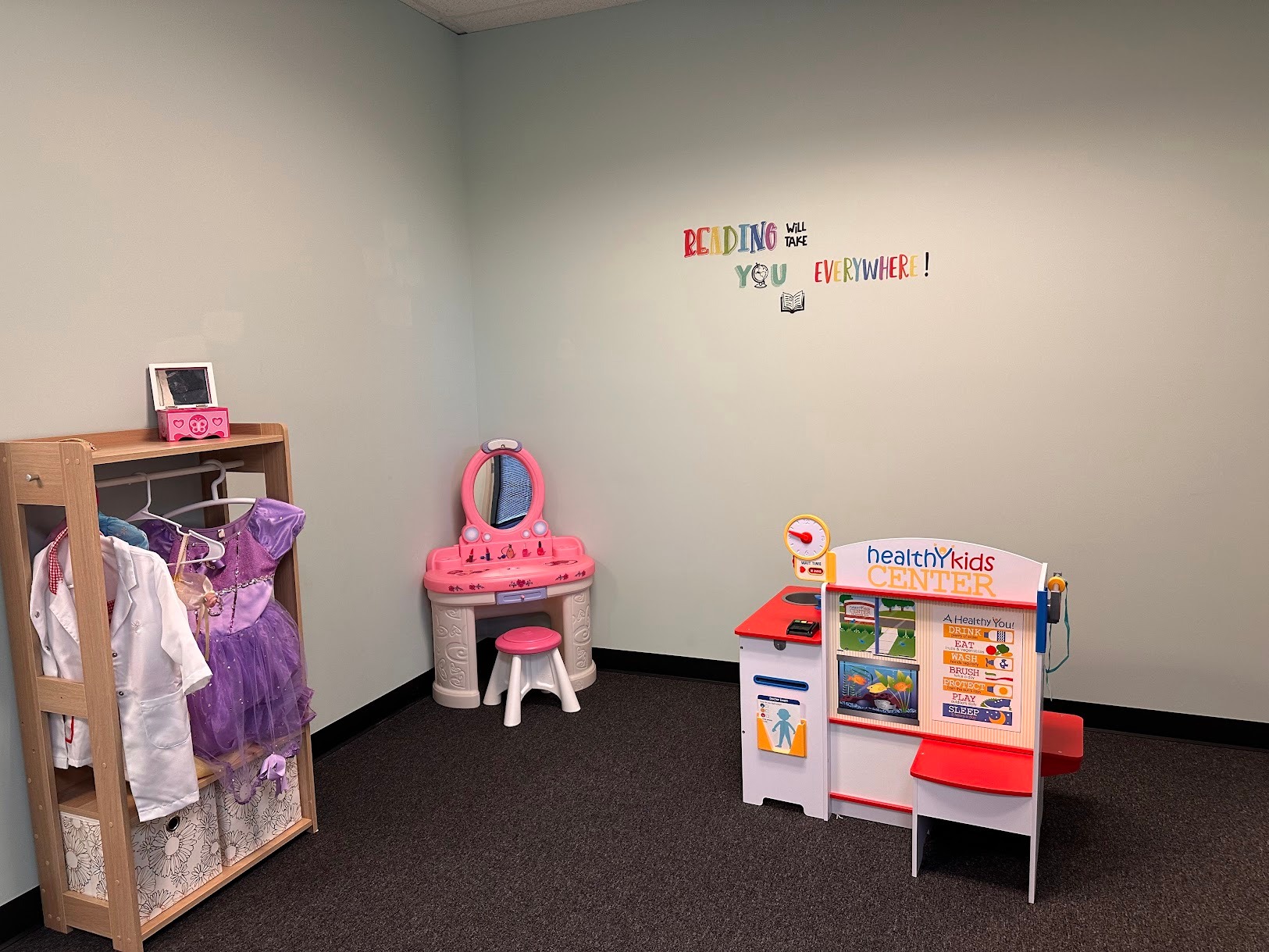
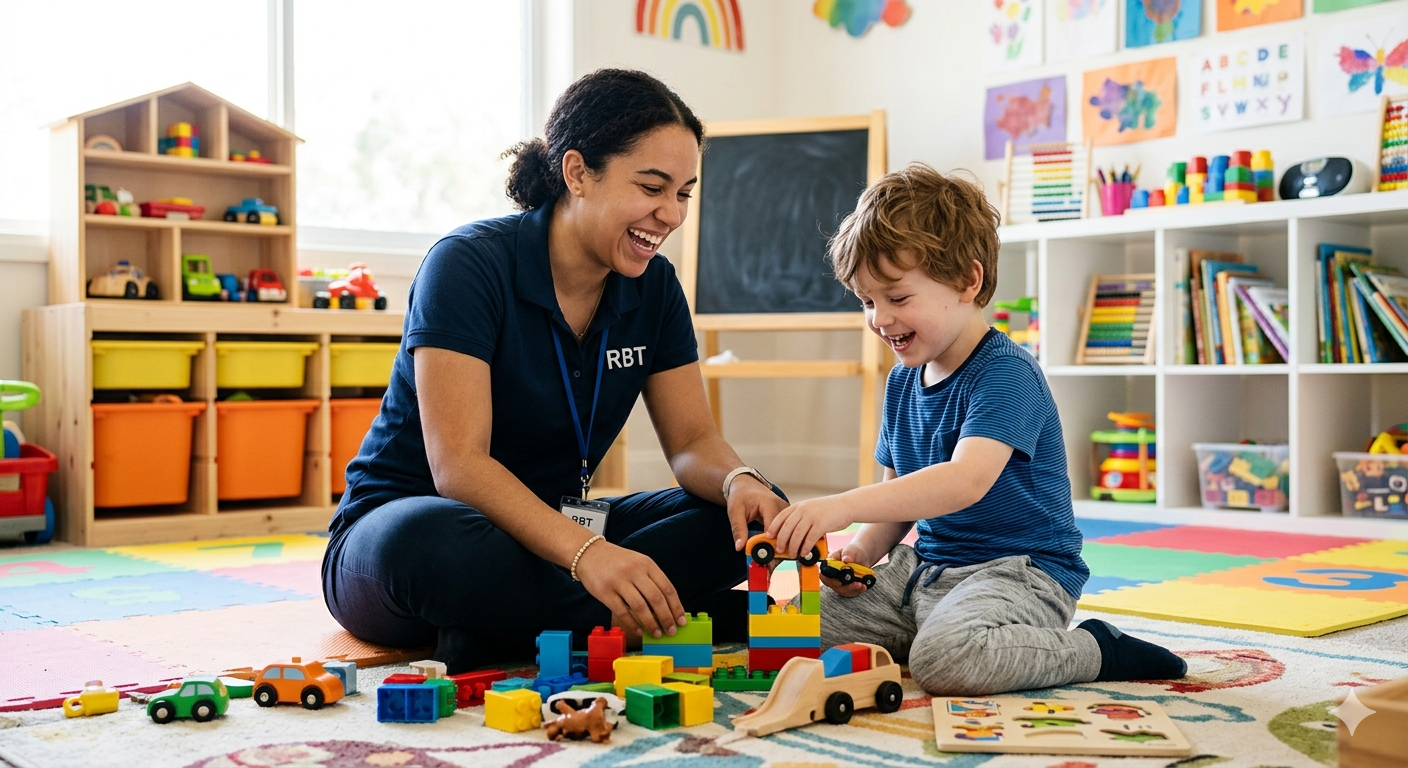
Play is an effective way to teach many skills. Activities such as puzzles, building blocks, or matching games help children develop cognitive and problem-solving abilities. Structured play can also teach turn-taking, sharing, and following instructions.
Sensory-Friendly Learning Tasks
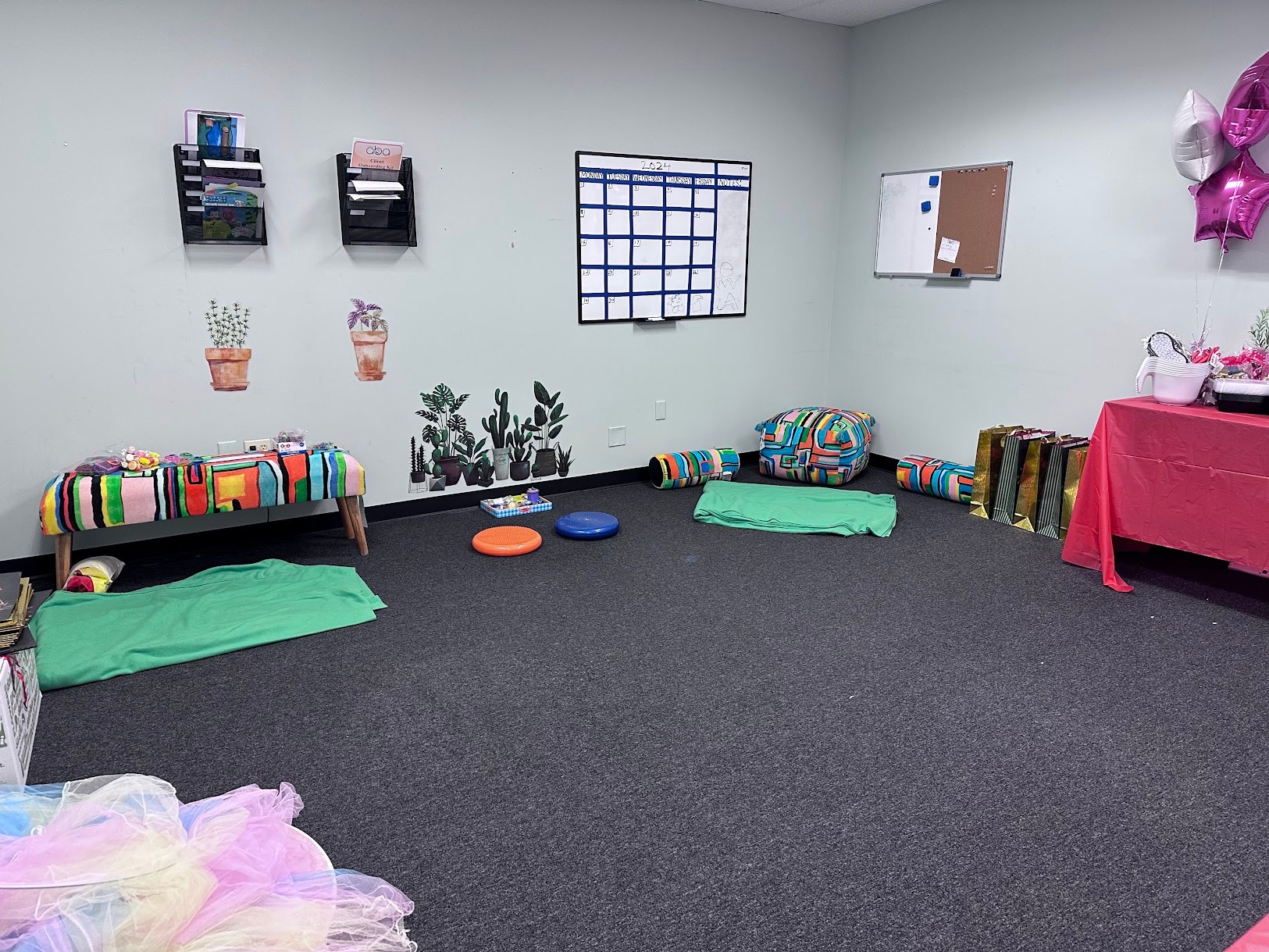
Some children with autism experience sensory sensitivities. Sensory-friendly activities like sensory bins, textured materials, or calming movement activities can help them stay comfortable and focused. These activities also support sensory regulation and attention.
Communication-Building Games
Games that encourage interaction can help develop communication skills. These activities encourage children to express themselves and respond to others. Examples include:
- Simple question-and-answer games
- Naming objects in pictures
- Interactive storytelling
Social Interaction Activities
Group games, cooperative tasks, and structured playdates can help children practice social skills in a supportive environment. These activities teach children how to take turns, follow rules, and interact with peers.
Supporting Communication Skills
Communication challenges are common for children with autism, but there are many strategies that can help support language development.
Encouraging Verbal Communication
Parents and teachers can encourage verbal communication by modeling language and giving children opportunities to speak.
For example, asking simple questions or prompting children to label objects can help build vocabulary.
Modeling Language and Social Interactions
Adults can model appropriate language and interactions during everyday activities. Demonstrating greetings, requesting help, or expressing emotions can help children learn how to communicate effectively.
Teaching Social Skills
Social skills are an important part of learning and development.
Practicing Turn-Taking and Sharing
Simple games can help children practice waiting their turn, sharing materials, and cooperating with others.
Role-Playing Social Situations
Role-playing allows children to practice common social situations such as greeting others, asking for help, or joining a group activity. This practice helps children feel more comfortable in real-world interactions.
Encouraging Peer Interaction
Structured group activities with peers can provide valuable opportunities for children to develop friendships and practice communication skills. Guided support from teachers or therapists can help make these interactions successful.
The Importance of Parent and Therapist Collaboration
Supporting a child with autism is most effective when parents, teachers, and therapists work together. Collaboration helps ensure that teaching strategies remain consistent across different environments. When the same approaches are used at home, school, and therapy sessions, children are more likely to learn and maintain new skills.
Regular communication between caregivers and professionals also allows for monitoring progress and adjusting strategies as needed. As children grow and develop, teaching methods may need to change to support new goals.
With patience, structure, and evidence-based strategies, children with autism can build meaningful skills that support learning, independence, and social development.
.png)