Understanding Homework Stress in Autistic Students
Homework can often present significant challenges for autistic students due to sensory sensitivities, difficulties with executive functioning, and anxiety related to unpredictable tasks. Recognizing these unique needs is essential to developing effective support strategies that reduce stress and improve homework engagement. This article explores evidence-based approaches and practical interventions tailored to help autistic students manage their homework more successfully and comfortably.
Recognizing the Unique Challenges Autistic Students Face with Homework

How Does Autism Impact Learning and Interaction?
Autism affects the way children learn and interact with their environment. These differences often influence how they approach tasks such as homework.
What Sensory Sensitivities Do Students with Autism Experience?
Sensory sensitivities are common in autistic children, making certain sounds, textures, or lights overwhelming. These distractions can hinder focus during homework.
What Are Executive Functioning Difficulties?
Many autistic students struggle with executive functioning, which includes skills like organizing tasks, planning, and managing time. This makes completing homework assignments challenging.
How Do Communication Issues Affect Homework?
Communication challenges can impact understanding instructions or asking for help, leading to frustration and missed learning opportunities.
What Role Does Anxiety Play?
Anxiety is often present in autistic learners, especially around demands or changes. Homework may increase stress if routines or expectations are unclear.
Why Are Routines Important?
Establishing predictable routines and visual schedules helps autistic students manage homework by providing structure and reducing uncertainty.
Understanding these challenges highlights the need for tailored strategies to support autistic learners effectively with their homework tasks.
Creating Sensory-Friendly Homework Environments

What are sensory-friendly environments?
Sensory-friendly environments are spaces designed to reduce sensory overload and promote comfort for children with autism. These environments minimize distractions such as loud noises, bright lights, and clutter, which can overwhelm neurodivergent learners and interfere with their ability to focus.
How can distractions be minimized?
To create a calm and focused homework space, it is important to control lighting, reduce background noise, and keep the area organized. Using noise-canceling headphones or soft background music can help block out disruptive sounds. Additionally, decluttering the workspace supports attention and lowers anxiety.
What sensory tools support learning?
Incorporating sensory tools can benefit children by helping regulate their sensory needs. Examples include:
- Fidget toys: Small handheld items that provide tactile stimulation to improve concentration.
- Sensory bins: Containers filled with textured materials that children can explore to feel grounded.
- Slime experiments: Engaging tactile activities that soothe and divert restless energy.
- Sensory sound resources: Instruments or devices emitting calming sounds to support auditory regulation.
Why is sensory regulation important for homework success?
Sensory regulation helps children with autism manage sensory sensitivities that might otherwise cause discomfort or distraction during homework. When their sensory needs are addressed, children can better focus on tasks, feel less overwhelmed, and engage more effectively with learning. This leads to improved motivation and academic outcomes.
By thoughtfully setting up sensory-friendly spaces and integrating supportive tools, parents and educators can create an environment that fosters concentration, reduces frustration, and encourages positive homework experiences for children with autism.
Establishing Predictable Routines and Visual Supports

Why Are Predictable Routines Important?
Children with autism often rely on consistency to feel safe and understand their environment. Predictable routines help reduce anxiety by providing a clear structure that minimizes surprises. This stability allows them to focus better during homework and other activities.
How Do Visual Schedules and Checklists Help?
Visual schedules and checklists break down tasks into smaller, manageable steps. These visual aids serve as clear guides, making instructions easier to follow. For example, a checklist can outline homework steps, giving students a sense of accomplishment as they complete each item.
How Do Advanced Warnings, Timers, and Priming Prevent Stress?
Techniques like advanced warnings, timers, countdowns, and priming help children anticipate transitions and upcoming tasks. This makes changes less overwhelming and supports smoother shifts between activities. These strategies help prevent frustration and boost confidence.
How Do Structured Routines Promote Independence?
Consistently using visual schedules and routines teaches children to manage their homework with less support over time. Understanding what to expect and how to proceed encourages self-regulation and problem-solving skills. This independence is essential for long-term academic success and everyday functioning.
Breaking Down Homework into Manageable Steps
Why Is Task Decomposition Important for Children with Autism?
Breaking homework assignments into smaller, manageable steps helps reduce overwhelm and makes tasks feel achievable. Children with autism often face executive functioning challenges that can make complex assignments intimidating. When tasks are subdivided, it increases clarity and boosts their confidence in completing homework successfully.
How Can Concrete, Simple Language Boost Understanding?
Using clear, straightforward language is essential for helping children with autism grasp instructions. Complex or abstract language can cause confusion and frustration. By simplifying directions, teachers and caregivers ensure that students understand what is expected, improving their ability to follow through.
What Visual Supports Are Effective?
Visual aids such as checklists and timers play a crucial role in structuring homework time. Checklists allow children to track their progress step-by-step, providing a sense of accomplishment. Timers help manage attention spans and create predictable work periods, reducing anxiety about how long tasks will take.
How Do These Strategies Increase Engagement?
When homework is presented in a clear, accessible format, children with autism are more likely to stay focused and complete their assignments. The combination of simplified language, visual schedules, and breaking tasks down supports independence, encourages a positive attitude towards learning, and reduces behavioral challenges related to frustration and confusion.
Integrating Special Interests and Strength-Based Teaching Approaches

Using Special Interests in Lesson Plans
Incorporating students’ special interests into lesson plans is an effective strategy to boost motivation and engagement among children with autism. By aligning educational content with topics or activities that the child shows enthusiasm for, educators can make learning more relatable and enjoyable. This personalized approach helps sustain attention and encourages active participation.
Strength-Based Teaching Methods
Strength-based teaching focuses on the individual abilities and talents of learners rather than their challenges. Emphasizing what students do well fosters confidence and supports skill development. For children with autism, this means tailoring instruction to leverage their unique cognitive strengths, sensory preferences, or problem-solving skills, which can greatly enhance learning outcomes.
Stimulating Motivation and Engagement
Combining the child’s interests with their strengths creates a powerful learning environment where intrinsic motivation flourishes. Tools like visual aids, hands-on activities, and technology integrated around these strengths allow students to connect deeply with material. Providing positive reinforcement further sustains engagement and helps establish positive learning behaviors.
The TEACCH Structured Teaching Approach
TEACCH (Treatment and Education of Autistic and Communication related handicapped Children) is a structured teaching model that aligns well with strength-based approaches. It emphasizes understanding autism and creating adaptable classroom strategies that highlight students' abilities. By using clear routines, visual supports, and individualized workspaces, TEACCH helps students, particularly older children, independently navigate academic tasks while building on their strengths.
Together, these strategies provide a compassionate and effective framework to support learning for neurodivergent students, promoting their academic success and well-being.
Applied Behavior Analysis (ABA) Therapy: Foundations and Benefits
What is Applied Behavior Analysis (ABA) therapy and how is it used in treating autism?
Applied Behavior Analysis (ABA) therapy is a scientifically supported approach designed to help individuals with autism develop vital skills. It focuses on increasing positive behaviors such as communication, social interaction, and daily living skills, while reducing challenging or harmful behaviors.
ABA therapy uses the Antecedent-Behavior-Consequence (A-B-C) model to understand behaviors by identifying what triggers a behavior and the outcomes that follow. This helps clinicians and families craft effective interventions tailored to the individual.
Core Principles and Strategies
ABA incorporates both structured methods like Discrete Trial Training (DTT) and naturalistic interventions such as Pivotal Response Treatment (PRT). The therapy emphasizes positive reinforcement — rewarding desired behaviors to encourage their recurrence.
Individualized treatment plans are developed based on thorough assessments, allowing therapy to address each child’s unique strengths and challenges. Progress is tracked continuously to adapt techniques and measure success.
Benefits of ABA Therapy
ABA has been shown to improve communication, social skills, and daily living abilities. It helps children with autism reduce behaviors that interfere with learning and fosters skills needed for independence.
By focusing on functional communication training and teaching coping and daily living skills, ABA supports replacing problematic behaviors with positive alternatives.
Implementation Settings
Therapies like those offered by ChildWise ABA provide in-home sessions across Ohio, ensuring tailored treatment within the child’s natural environment. This approach further enhances learning and generalization of skills.
Overall, ABA remains a cornerstone in autism therapy, valued for its data-driven, individualized, and positive approach to supporting neurodivergent learners.
Who Provides ABA Therapy and How It Supports Homework Success
Who Typically Provides ABA Therapy for Individuals with Autism?
ABA therapy is provided by professionals trained and certified in behavioral analysis. The primary providers include Board Certified Behavior Analysts (BCBAs) and trained therapists who develop and implement individualized treatment plans tailored to the child's specific needs. These practitioners work in specialized ABA therapy companies or regional centers dedicated to autism services.
How Is ABA Therapy Delivered?
Services are often offered through companies like ChildWise ABA, which provides in-home therapy across regions such as Ohio. These companies emphasize personalized treatment, ensuring that interventions address the child’s developmental goals and behavioral challenges. Delivery can also occur in clinics or school settings, depending on each child’s requirements.
What Role Does Family Involvement Play?
Family involvement is a crucial aspect of successful ABA therapy. Providers collaborate closely with families to support skill generalization and consistency across environments. Parents and caregivers receive guidance on implementing strategies at home, including during homework time.
How Are Interventions Tailored to Support Homework Success?
ABA interventions are customized to help children with autism manage homework by addressing executive functioning, communication, and sensory needs. Therapists may work with educators and families to create routines, incorporate visual schedules, and use positive reinforcement techniques, making homework more accessible and less stressful.
How Does Collaboration with Educators Enhance Homework Accommodations?
ABA providers collaborate with teachers to facilitate accommodations such as modified assignments, visual supports, and assistive technology. This teamwork ensures that homework tasks align with the child's abilities and therapeutic goals, improving engagement and academic success.
| Provider Type | Service Delivery | Role in Homework Support |
|---|---|---|
| BCBAs & Certified Therapists | In-home, clinics, schools | Develop individualized plans addressing executive skills, routine, and behavior during homework |
| Autism Service Providers & Regional Centers | Specialized autism programs, public funding options | Coordinate family training and educator collaboration for consistent homework strategies |
| Families | Home environment | Implement therapy strategies and routines supporting homework completion |
| Educators | Schools | Provide accommodations and tailored assignments aligned with therapy goals |
Core Behavioral Analysis Principles Guiding Autism Therapy
What are the core principles behind behavioral analysis used in autism therapy?
Behavioral analysis in autism therapy is grounded in understanding and modifying behaviors through environmental factors. Central to this approach is positive reinforcement, which means rewarding desirable behaviors to increase their frequency. For example, praising a child for completing a task encourages them to repeat that behavior.
Another fundamental concept is the ABC model—Antecedents, Behaviors, and Consequences. This framework helps clinicians observe what triggers a behavior (Antecedents), the behavior itself, and what follows afterward (Consequences). By analyzing this sequence, therapists can determine the function of behaviors and develop strategies to address them effectively.
A critical tool used is the Functional Behavior Assessment (FBA). This process identifies the purpose behind a child's behavior, such as gaining attention or avoiding a task, which informs personalized treatment plans.
Multiple techniques support behavior modification:
- Extinction: withholding reinforcement for unwanted behaviors to reduce them.
- Prompting: offering cues to encourage correct responses.
- Modeling: demonstrating behaviors for children to imitate.
- Chaining: teaching complex skills by breaking them into smaller, manageable steps linked together.
Importantly, these interventions are data-driven and individualized. Therapists collect ongoing data to monitor progress and tailor strategies to each child's unique needs, fostering meaningful skill development and reducing behaviors that interfere with learning.
By applying these core behavioral principles, autism therapy supports children in achieving greater independence and improved communication.
Prevention, Replacement, and Response Strategies to Manage Challenging Behaviors
What Are Prevention Strategies for Challenging Behaviors?
Prevention strategies help make everyday activities, especially homework, less stressful and overwhelming for children with autism. Techniques like visual schedules help children see what to expect throughout their day. Advanced warnings, timers, countdowns, priming (giving reminders before transitions), and social stories all increase predictability. These approaches reduce anxiety by making changes clearer and easier to handle.
Which Replacement Strategies Support Learners?
Replacement strategies teach children alternative ways to express their needs or handle stress, which reduces challenging behaviors. Functional communication training focuses on helping kids communicate effectively instead of acting out. Teaching coping skills and daily living skills empowers children to manage emotions and routines during homework or other activities.
How Do Response Strategies Work?
Response strategies reinforce good behaviors while minimizing problem behaviors. Positive reinforcement, such as praise or token rewards, encourages children to repeat desired actions. Extinction involves ignoring or withholding attention from disruptive behaviors so they gradually decrease. These strategies promote a positive learning environment and improve engagement.
How Do These Strategies Reduce Homework Stress and Behavioral Challenges?
By combining prevention, replacement, and response tactics, children with autism experience less frustration and behavioral issues during homework. Visual supports and predictable routines ease transitions. Replacement skills reduce outbursts rooted in communication difficulties. Positive reinforcement keeps motivation high. These integrated strategies create a calmer, more supportive space that encourages independence and success in homework tasks.
Calming and Self-Regulation Techniques for Homework Distress
How Can Coloring and Calm-Down Cards Help During Homework?
Coloring activities and calm-down cards are effective ways to soothe children with autism during homework sessions. These calming strategies provide a sensory break and help to lower anxiety, allowing students to regain focus and emotional control.
What Role Do Mindfulness Exercises Play?
Mindfulness exercises encourage children to become aware of their breathing and sensations, promoting relaxation. These exercises teach self-awareness and help manage distress by shifting attention away from stressors.
How Are Grounding Techniques Used?
Grounding techniques involve connecting the child to the present moment through sensory input or simple physical activities. For example, focusing on the feel of an object or taking slow, deep breaths can reduce feelings of overwhelm during challenging homework tasks.
Why Are Designated Retreat Zones Important?
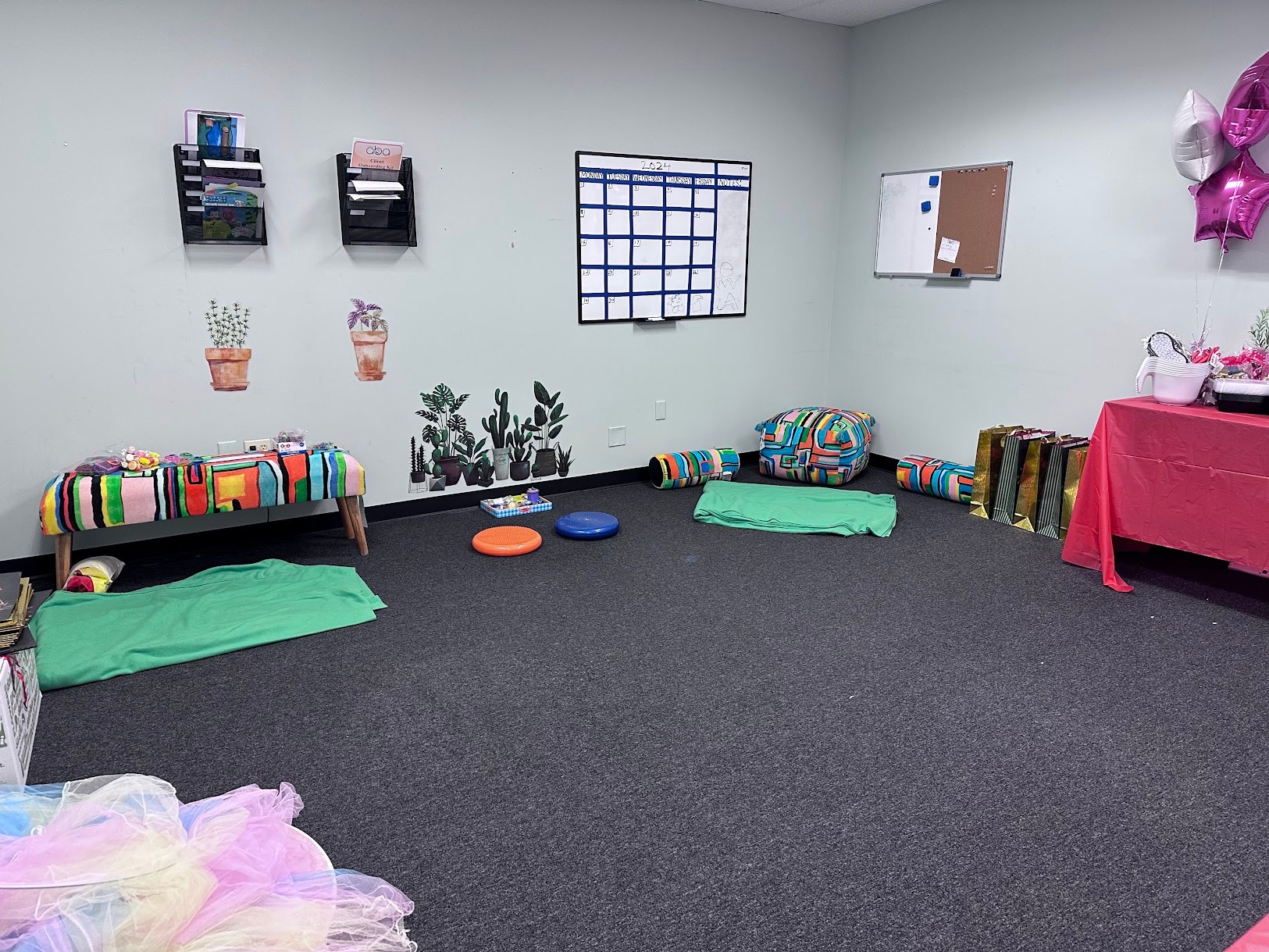
Having a designated retreat zone—a quiet, comfortable space—offers children a safe place to regulate emotions when they feel overwhelmed. This area supports self-regulation by providing a consistent environment where distress can be managed away from distractions.
How Do These Strategies Support Self-Regulation to Reduce Homework Stress?
Using a combination of sensory tools, calming activities, and predictable spaces assists children with autism in managing their emotions and sensory sensitivities. This integrated approach reduces homework-related stress and improves engagement by fostering a supportive learning atmosphere.
Collaboration and Professional Development for Educators Supporting Autistic Students
Why Is Training on Autism Techniques Important for Educators?
Educators who work with autistic students face unique challenges that require specialized knowledge. Understanding autism helps teachers use effective strategies such as clear instructions, visual supports, and structured routines. Training also enables them to recognize sensory sensitivities and executive functioning difficulties common in autistic children, improving both learning and homework management.
What Are Effective Training Resources for Educators?
Peer-reviewed training programs provide evidence-based techniques that keep educators informed of best practices. Self-study tools offer flexible options for ongoing professional development. Examples include workshops on sensory integration, behavioral interventions, and communication supports tailored to autism.
How Does Collaboration Enhance Student Support?
Families, therapists, and educators working closely together ensure consistent strategies across home and school environments. Sharing insights allows for better accommodations like modified assignments and assistive technology, which can reduce anxiety and improve task completion.
What Role Does The Incredible Years Play?
The Incredible Years program offers training specifically for educators of young autistic children. It focuses on predictable routines, use of visual aids, and social skills development—helping to create supportive classrooms that meet autistic students' needs.
Accommodations That Support Learning
Modifying assignments to break tasks into manageable steps and integrating sensory tools can improve engagement. Assistive technology, such as timers and visual schedules, helps students manage homework independently and reduces frustration.
Maintaining ongoing professional development and fostering collaboration ensures that educators are well-equipped to support autistic learners effectively.
| Topic | Description | Benefits |
|---|---|---|
| Educator Training | Peer-reviewed programs and self-study tools on autism strategies | Up-to-date skills and evidence-based methods |
| Collaboration | Family, therapist, and teacher teamwork | Consistent support and tailored accommodations |
| Accommodations | Modified assignments, assistive technology, sensory tools | Improved task management and reduced anxiety |
| The Incredible Years Program | Training focusing on routines, visuals, and social skills | Enhanced classroom support for autistic children |
Empowering Autistic Students to Manage Homework Stress Successfully
Reducing homework stress for autistic students requires a comprehensive approach grounded in understanding their unique challenges and strengths. By creating sensory-friendly environments, establishing predictable routines, and breaking tasks into manageable steps, caregivers and educators can foster better engagement. Evidence-based practices such as Applied Behavior Analysis (ABA) therapy offer valuable strategies to increase positive behaviors and minimize challenging ones, enhancing communication and functional skills needed for homework success. Implementing calming techniques and promoting collaboration among families, therapists, and educators further optimize support. With continued professional development and personalized interventions, autistic students can be empowered to navigate homework more confidently, reducing stress and promoting academic growth.
References
- 24 Classroom Activities for Kids with Autism
- Helping Kids with Autism Tackle Homework Successfully
- Treatment for Behavioral Issues in Autism
- Effective Classroom Strategies for Teaching Students with ...
- Behavioral Health Treatment | Children with Autism Spectrum ...
- Accel Therapies: ABA Therapy for Autistic Children
- Applied Behavior Analysis (ABA)
- 6 Benefits of ABA Therapy for Children with Autism

.png)