Understanding the Sensory Needs of Students with Autism
Students with autism often experience sensory processing challenges that can significantly impact their classroom experience. From noise sensitivity to difficulties with touch or visual stimuli, sensory overload or understimulation can cause distress and hinder participation. Recognizing these sensory needs and implementing effective strategies such as sensory breaks and classroom accommodations are essential steps toward creating supportive learning environments. This article explores a range of sensory break strategies and modifications tailored for autistic students, outlining how these approaches foster regulation, engagement, and academic success.
The Role of Sensory Processing in Autism and Its Classroom Impact

Understanding sensory challenges in autism
Individuals with autism often experience differences in sensory processing, which means they may become easily overwhelmed by or understimulated by sensory input. This can affect how they perceive sights, sounds, touch, smells, and movement around them. Unlike neurotypical individuals, sensory processing for autistic children usually requires more conscious effort, making everyday environments challenging.
Impact of sensory overload and understimulation on learning and behavior
Sensory overload occurs when too much sensory information floods the brain, leading to stress, anxiety, or emotional distress. Conversely, understimulation may leave a child seeking more input, which can appear as fidgeting or difficulty focusing. These states can disrupt a child's ability to remain calm and ready to learn, leading to behavioral challenges or withdrawal.
Common sensory triggers in classroom environments
Classrooms often contain various sensory triggers such as loud noises, bright lights, crowded spaces, and strong odors. For example, echoing hallways, the sound of whistle blows, or visual clutter can overwhelm sensory systems. Additionally, standard text colors like black print on white backgrounds may increase visual stress for some children.
Effects on communication, social interaction, and academic performance
Sensory processing difficulties can affect a student's communication skills and willingness to engage socially. Overwhelm may reduce participation in group activities and hinder effective response to social cues. Academically, these challenges can impact writing abilities, focus during lessons, and involvement in physical activities. Without appropriate supports, students risk falling behind and experiencing heightened anxiety.
| Aspect | Description | Examples in Classroom |
|---|---|---|
| Sensory Overload | Excessive sensory input causing stress | Loud noises, bright lights, crowded corridors |
| Sensory Understimulation | Insufficient sensory input leading to seeking behaviors | Fidgeting, tapping, difficulty sitting still |
| Communication Impact | Difficulty processing stimuli may reduce social engagement | Withdrawal, challenges interpreting instructions |
| Academic Performance | Sensory stress can affect writing, focus, and participation | Trouble concentrating, avoidance of tasks |
Implementing Effective Sensory Breaks in the Classroom
What Are Sensory Breaks and Why Are They Important?
Sensory breaks are intentional pauses during the school day designed to help children with autism regulate their sensory processing. These breaks support emotional regulation, reduce stress, prevent sensory overload, and improve focus, enabling students to engage more fully in learning and social activities.
What Types of Sensory Breaks Are Available?
There are three main types of sensory breaks:
- Calming activities: Include deep pressure techniques, gentle movement, quiet spaces, and breathing exercises to soothe and reduce anxiety.
- Stimulating activities: Use tactile stimulation, movement (like jumping or swinging), fidget tools, and visual stimuli to increase alertness.
- Nature-based activities: Involve outdoor walking, water play, or animal interaction, offering natural sensory input.
How Can Teachers Recognize When Sensory Breaks Are Needed?
Behavioral cues can indicate when a child requires a sensory break. Signs include increased fidgeting, withdrawal, irritability, or actively seeking strong sensory input. By observing these responses, educators can proactively offer breaks before overload occurs.
How Should Sensory Breaks Be Scheduled and Customized?
Sensory breaks should be integrated regularly into the daily routine and tailored to each child’s unique preferences and sensory needs. Scheduling short breaks lasting 5–15 minutes throughout the day, guided by occupational therapists or ABA professionals, helps maintain an optimal sensory state.
What Are Some Effective Sensory Break Activities for the Classroom?
Classroom-friendly sensory activities include:
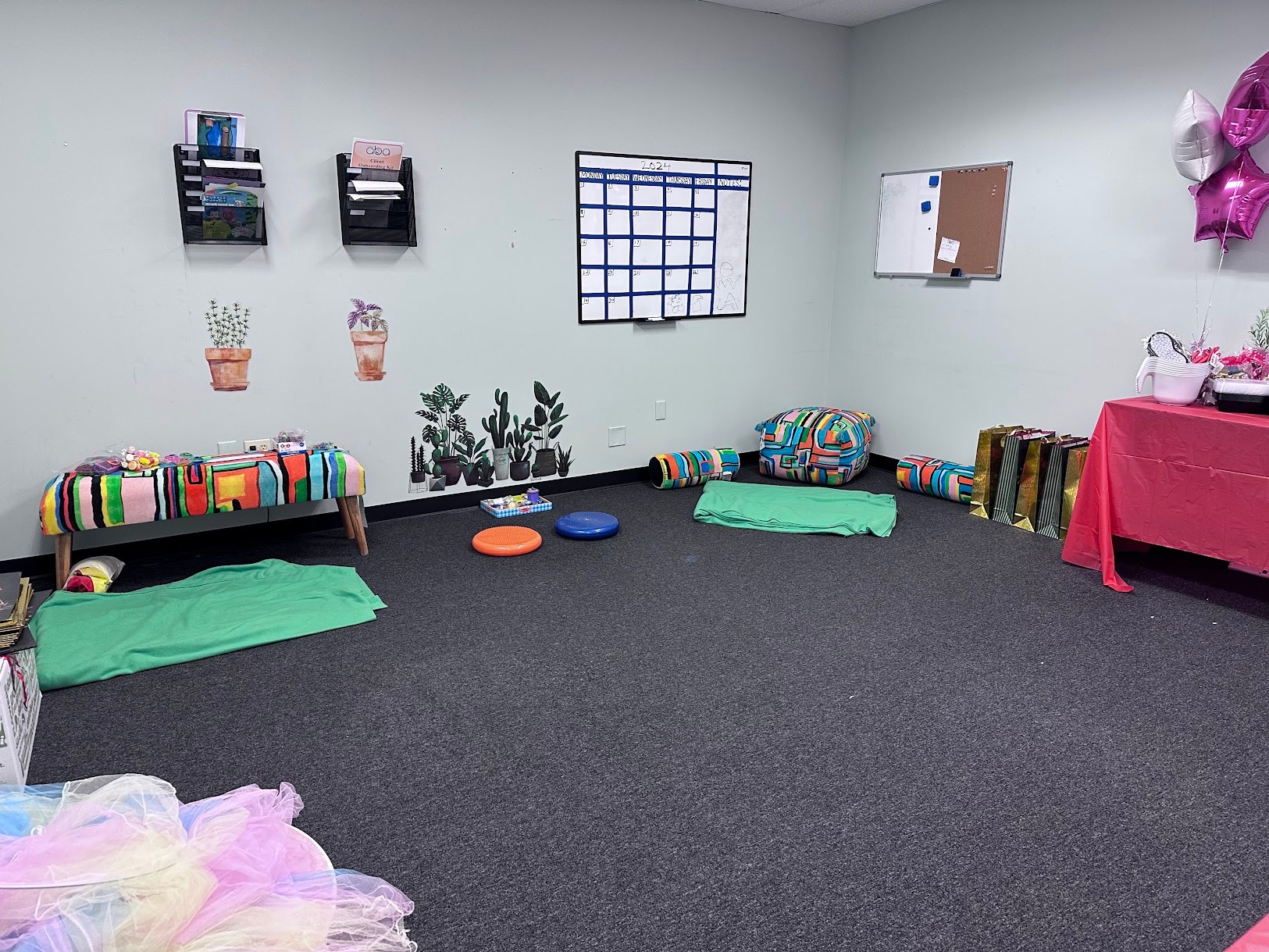
- Quiet corners stocked with sensory tools like weighted lap pads and fidget toys
- Movement opportunities such as stretching or gentle rocking
- Flexible seating options like wobble cushions
- Deep pressure tools such as weighted blankets or lap pads
These adaptations enable students to self-regulate in a non-disruptive manner and improve overall participation and comfort in the classroom environment.
Classroom Accommodations to Support Sensory Regulation
Environmental modifications: noise reduction, visual clutter management
Minimizing loud noises and reducing visual clutter are crucial steps in creating a supportive classroom environment for students with autism. Using low-odor markers and avoiding echo-prone areas can significantly decrease sensory overload. Strategic seating arrangements, such as seating students away from noisy spots or busy hallways, help manage sensory input and improve comfort.
Use of sensory tools: fidget toys, weighted lap pads, flexible seating
Incorporating sensory tools within the classroom can enhance focus and reduce agitation. Items like discreet fidget toys provide tactile stimulation without distraction, while weighted lap pads offer calming deep pressure for students seeking sensory input. Flexible seating options, including wobble cushions or inflatable chairs, accommodate children's needs for movement and help them stay engaged.
Adjustments for sensory sensitivities: scent masking, alternative lighting and text presentations
Addressing sensitivities to smells through scent-masking techniques, such as sweatbands imbued with preferred scents, can reduce discomfort. Modifying visual aspects, including changing background colors of text (for example, to buff) and adjusting lighting, helps children who find traditional black print on a white background stressful. These changes support better reading engagement and overall comfort.
Strategies for transitions and seating arrangements
To minimize distress during transitions, allocating early transition times reduces corridor collisions and anxious waiting. Allowing children to position themselves at the front or back of lines can help those sensitive to touch. Thoughtful seating placements further reduce sensory challenges, creating a calmer atmosphere conducive to learning.
Creating calming spaces within classrooms
Designated calming spaces, such as a quiet corner with a tent or blanket hideaway equipped with sensory items, offer students a retreat to self-regulate when overwhelmed. These areas support stress reduction and enable children to return to activities feeling refreshed and more focused.
Applied Behavior Analysis (ABA) Therapy and Sensory Regulation
What is Applied Behavior Analysis (ABA) therapy?
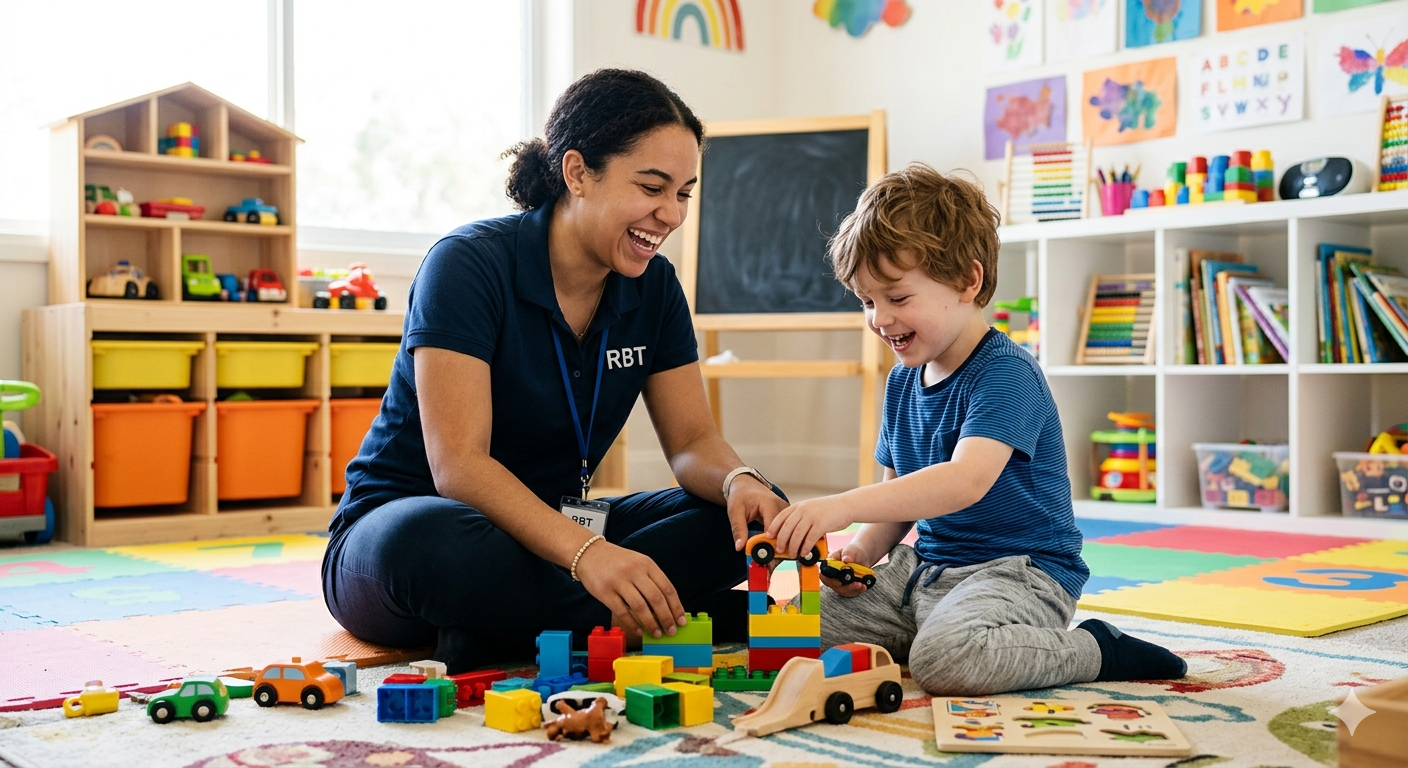
Applied Behavior Analysis (ABA) is a science-based therapeutic approach that focuses on understanding and modifying behavior through evidence-based techniques. Its goals include increasing positive behaviors like communication and social skills, while reducing behaviors that interfere with learning or social interaction. ABA programs are highly individualized, often involving intensive, structured therapy overseen by trained professionals who use methods such as Discrete Trial Training and naturalistic techniques. Modern ABA emphasizes play-based learning and collaboration with families to encourage meaningful development in everyday settings.
What techniques are commonly used in ABA therapy?
ABA therapy employs various techniques to address sensory and behavioral challenges, including:
- Positive reinforcement: Rewarding desired behaviors to encourage their recurrence.
- Discrete Trial Training: Breaking skills into small steps with repeated practice.
- Modeling and prompting: Demonstrating and guiding appropriate behaviors.
- Behavior chaining: Teaching complex behaviors by linking simpler steps.
- Natural Environment Teaching: Encouraging skills during everyday activities.
- Visual supports: Using charts, video modeling, and Picture Exchange Communication System (PECS) to enhance understanding.
- Behavior reduction strategies: Including extinction, redirection, and script fading to decrease maladaptive behaviors.
These techniques rely on data collection and the ABC (Antecedent-Behavior-Consequence) method to tailor interventions and track progress.
How are sensory breaks integrated within ABA therapy?
Sensory breaks are structured pauses designed to help children regulate sensory input and reduce stress. Within ABA, these breaks are tailored to each child's needs and preferences, incorporating calming activities such as deep pressure or quiet spaces, or stimulating tasks like tactile tools and movement. Offering sensory breaks proactively—before distress escalates—supports emotional regulation and learning readiness. This integration helps prevent sensory overload and promotes smoother participation in therapy and daily activities.
How does ABA therapy benefit individuals with autism?
ABA therapy benefits autistic individuals by providing a clear, effective framework for developing communication, social skills, and adaptive behaviors while reducing problematic behaviors. It fosters emotional regulation through personalized strategies, including sensory regulation techniques. Early and intensive ABA supports gains in independence, peer interaction, and daily living skills. Involving families ensures skills generalize beyond therapy sessions, enhancing overall quality of life.
Who provides ABA therapy, and where is it delivered?
ABA therapy is delivered by trained professionals such as Board-Certified Behavior Analysts (BCBAs), Registered Behavior Technicians (RBTs), and therapists working under supervision. Services are offered in diverse settings including homes, clinics, schools, and community environments. Specialized programs and educational professionals collaborate to provide individualized interventions suited to each child's unique sensory and behavioral needs.
Measuring Progress and Tailoring ABA Interventions
How is progress measured in ABA therapy?
In Applied Behavior Analysis (ABA) therapy, progress is systematically measured through detailed data collection and behavior tracking methods. Therapists record specific changes in targeted behaviors over time, focusing on improvements in communication, social interaction, daily living skills, and reductions in challenging behaviors. This data-driven approach allows professionals to evaluate progress against clear, measurable goals established during the initial assessment by a Board Certified Behavior Analyst (BCBA).
Tracking involves frequent observation and documentation of skill acquisition and behavior shifts. These data points provide objective evidence to assess the effectiveness of interventions and guide necessary adjustments. Importantly, progress is not only measured by skills learned but also by the individual's ability to generalize these skills across various settings and routines, promoting independence and functional integration.
Use of measurable goals in ABA programs
ABA programs rely heavily on setting measurable and attainable goals tailored to each individual's unique needs. These goals serve as benchmarks to assess therapy success and inform decision-making. The goals are specific, observable, and quantifiable, ranging from mastering communication tasks to improving social engagement or self-care abilities.
Adjusting sensory and behavioral strategies based on progress
Regular analysis of behavior data enables therapists to refine sensory and behavioral strategies, ensuring interventions remain effective and responsive. For instance, if data show that certain sensory accommodations or breaks are enhancing regulation, these can be intensified or modified. Conversely, if strategies are less effective, alternatives are explored collaboratively with caregivers and educators to better support sensory processing and learning.
Generalization of skills across settings
A critical component of ABA success is the generalization of skills beyond therapy sessions to home, school, and community settings. Therapists work to ensure that children apply learned behaviors in diverse environments, which is essential for meaningful daily functioning. Progress evaluations include observations and reports from multiple settings to confirm that skills transfer well.
Suitability and customization of ABA for individual needs
While ABA is evidence-based and broadly effective for individuals with autism spectrum disorder (ASD), its suitability depends on each person’s unique characteristics, preferences, and goals. Professional assessments by behavior analysts determine how to tailor ABA programs to maximize individual benefits. ABA is also adaptable to support other conditions beyond autism.
Customization involves selecting appropriate goals, strategies, and supports that align with the individual's strengths and challenges, cultural background, and family priorities. This personalized approach helps maximize engagement, therapy effectiveness, and overall quality of life.
Supporting Social Interaction and Emotional Regulation Through Sensory Strategies

What role do sensory breaks play in emotional regulation?
Sensory breaks are intentional pauses designed to help children with autism self-regulate and manage stress. These breaks include calming activities like deep pressure, gentle movement, quiet spaces, and breathing exercises, as well as stimulating activities such as tactile stimulation and the use of fidget toys. By regularly scheduling these sensory breaks, children can prevent sensory overload, reduce anxiety, and improve focus, thus supporting emotional regulation and smoother participation in learning and social activities.
How can sensory tools reduce anxiety and meltdowns?
Using sensory tools like ear defenders to block noise, weighted lap pads for calming pressure, and chew toys for oral sensory input can significantly help reduce anxiety. These tools provide targeted sensory input that mitigates the overwhelming effects of environmental stimuli. For example, weighted blankets or inflatable chairs offer comforting pressure, while noise-canceling headphones minimize auditory distractions. Incorporating such tools proactively helps prevent meltdowns and promotes emotional stability.
How do sensory-informed interventions promote positive peer relationships?
Sensory strategies support social inclusion by reducing stress and enhancing a child's ability to engage with peers. Offering movement breaks and flexible seating like wobble cushions can help children stay calm and attentive during group activities. Buddy systems and structured group interactions, combined with sensory accommodations, foster social skill development and build confidence. These interventions encourage positive peer interactions by addressing sensory-related barriers to participation.
What role do visual schedules and supports play in reducing anxiety?
Visual schedules and supports use concrete, simple language and clear visual cues to outline daily routines and expectations. This clarity reduces uncertainty, which is a common source of anxiety for children with autism. Visual aids help children anticipate transitions and changes, facilitating independence and reducing stress. Incorporating these supports into sensory-informed environments enhances understanding and engagement.
How do educators, therapists, and families collaborate to support sensory needs?
Collaboration among educators, occupational or physical therapists, and families ensures consistent and individualized approaches to sensory regulation. Therapists evaluate sensory needs and provide evidence-based interventions, while teachers implement sensory-friendly classroom modifications like quiet corners and flexible seating. Families contribute vital insights into their child's preferences and responses, enabling tailored strategies both at home and school. This teamwork maximizes effectiveness and helps children thrive socially and emotionally.
Practical Tips for Teachers: Integrating Sensory Breaks and ABA Principles
Identifying Sensory Needs and Behavioral Cues
Teachers can support autistic children by recognizing signs that indicate sensory overload or seeking behaviors. Look for cues such as fidgeting, withdrawal, agitation, or a child's attempt to avoid certain stimuli. Early detection allows timely sensory breaks and prevents distress.
Creating Sensory-Friendly Classroom Environments
Minimize loud noises by avoiding echo-heavy spaces, and use low-odor markers. Seating arrangements should reduce corridor collisions and help children sensitive to touch by positioning them at the front or back of queues. Provide tools like noise-canceling headphones, weighted lap pads, and discreet fidget toys to help children self-regulate.
Incorporating Movement Breaks, Flexible Seating, and Calming Spaces
Short, scheduled sensory breaks lasting 5–15 minutes with activities like swinging, jumping, or tactile stimulation improve focus and prevent overload. Flexible seating options such as wobble cushions and inflatable chairs accommodate children who find sitting still challenging. Designate calming areas with tents or blanket hideaways equipped with sensory items for stress reduction.
Establishing Clear Routines and Transition Supports
Use visual schedules with simple language and clear visuals to outline daily activities. Providing advance notice of transitions and allowing early movement between spaces helps reduce anxiety. These strategies build independence and ease adjustment to changes.
Using Positive Reinforcement and Visual Supports to Encourage Engagement
Implement reward systems like token economies alongside praise to motivate children and reinforce desired behaviors. Visual supports help clarify expectations and routines, enhancing comprehension and participation.
By combining sensory strategies with Applied Behavior Analysis (ABA) principles, teachers can create inclusive classrooms where autistic children thrive academically and socially.
Creating Inclusive Classrooms Through Sensory and Behavioral Strategies
Sensory challenges are a fundamental aspect of autism that impact students’ ability to engage fully in classroom activities. By implementing thoughtful sensory break strategies alongside evidence-based behavioral interventions like ABA therapy, educators can significantly enhance emotional regulation, reduce stress, and promote meaningful participation. Practical accommodations such as sensory-friendly spaces, tailored sensory activities, clear routines, and positive reinforcement support diverse learners in reaching their potential. Collaboration among teachers, therapists, families, and specialists ensures interventions are individualized and consistent, fostering inclusion and confidence. Ultimately, sensory-informed classrooms paired with structured behavior analysis create environments where students with autism can thrive academically, socially, and emotionally.
References
- Ten simple sensory strategies for autistic children
- Supporting sensory needs at school
- Sensory Breaks for Autism: Benefits and Effective Strategies
- Effective Classroom Strategies for Teaching Students with ...
- Fun Sensory Breaks for Autism Every Parent Should Try
- ABA Techniques: Strategies for Behavior Analysts - GSEP Blog
- ABA Therapy Examples, Definition & Techniques
- Applied Behavior Analysis (ABA)
.png)